Oil CEOs Warn U.S. on Hormuz Risk
Energy giants say disruptions could worsen crisis
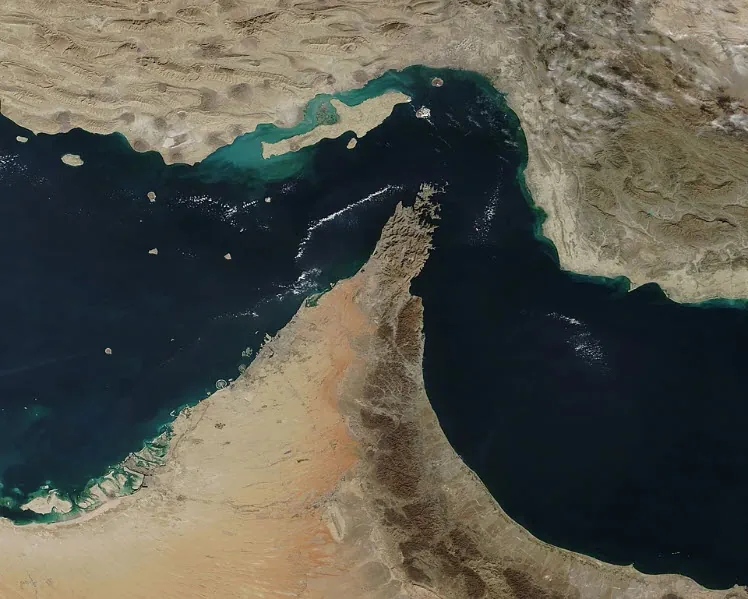
Executives from several of the world’s largest oil companies have reportedly warned the U.S. government that disruptions in the Strait of Hormuz could significantly worsen global energy instability as the Middle East conflict expands. According to reporting cited from The Wall Street Journal and carried in international live coverage, the CEOs of ExxonMobil, Chevron, and ConocoPhillips raised concerns that continued attacks or military activity near the strait could further disrupt global oil flows.
The Strait of Hormuz is one of the most strategically important energy corridors in the world. Roughly one-fifth of all globally traded oil passes through the narrow waterway between Iran and Oman, connecting Persian Gulf producers with international markets. Even limited disruptions in the area can ripple across global energy prices and shipping routes.
Energy executives reportedly warned U.S. officials that shipping risks in the region are increasing as the war between Iran and U.S.-aligned partners escalates. Tanker traffic has already faced growing uncertainty, with insurance costs for vessels operating near the Gulf rising sharply and shipping companies adjusting routes to avoid potential conflict zones.
Global oil prices have responded to the instability. Brent crude has climbed to its highest level since July 2022, according to market data cited in international reporting. Analysts say traders are increasingly pricing in the possibility that shipping through the Strait of Hormuz could become more dangerous or restricted if attacks expand.
Consumers are also beginning to feel the effects. Data from the American Automobile Association (AAA) cited in reporting shows that U.S. gasoline prices have risen about 23% since the conflict began, reflecting the close link between global crude markets and retail fuel prices.
In response to the rising risks, U.S. President Donald Trump has called on several allied countries to help secure the critical shipping lane. Trump urged China, France, Japan, South Korea, and the United Kingdom to contribute naval forces to protect commercial traffic moving through the strait.
So far, none of those governments have formally committed to sending warships. British officials said the United Kingdom is "exploring options" for potential maritime security involvement, but no multinational escort mission has been announced.
The strategic importance of the Strait of Hormuz means that even limited disruptions could affect the broader global economy. Major oil exporters including Saudi Arabia, Iraq, Kuwait, the United Arab Emirates, and Qatar rely heavily on the passage to move crude oil and liquefied natural gas to markets in Asia, Europe, and North America.
Energy analysts say the warning from oil industry leaders highlights the delicate balance between military conflict and global economic stability. A prolonged disruption in the region could lead to higher fuel costs, shipping delays, and broader inflation pressures in energy-dependent economies.