QatarEnergy Buys 33 U.S. LNG Cargoes To Offset Hormuz Supply Disruption
State Energy Giant Turns To American Exports As Gulf Shipping Crisis Reshapes Global Gas Trade
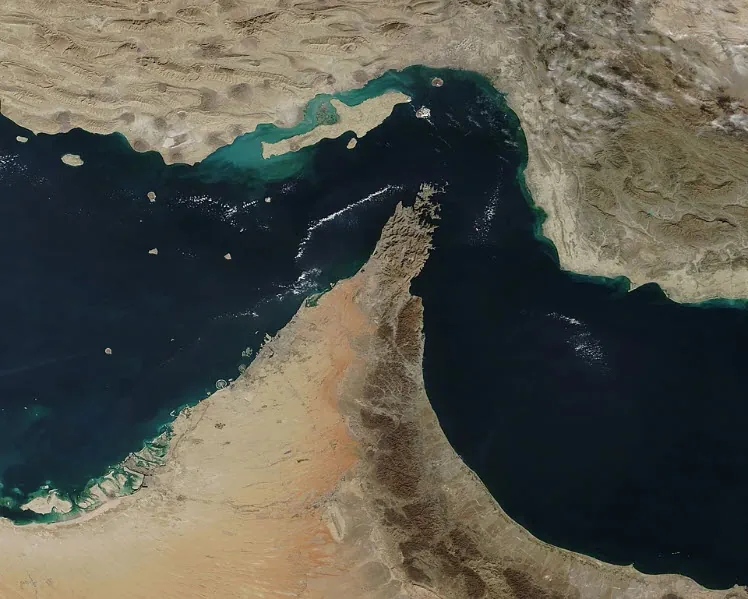
QatarEnergy has purchased 33 liquefied natural gas (LNG) cargoes from U.S. suppliers to help offset export disruptions caused by the closure of the Strait of Hormuz, according to shipping data and industry sources. The spot purchases, valued at roughly $1 billion, allow the state-owned energy company to continue supplying key customers in Asia despite severe restrictions on Gulf shipping.
Most of the cargoes were acquired from Venture Global LNG or its international customers and loaded at export terminals along the U.S. Gulf Coast. According to vessel-tracking firm Kpler, 28 cargoes had already been delivered to buyers in Asia by July 30, while five additional shipments remained en route. The deliveries have primarily supported customers in South Korea, Taiwan, and India, helping reduce the immediate impact of the disruption on regional energy supplies.
The purchases follow QatarEnergy's declaration of force majeure on some LNG export contracts after maritime traffic through the Strait of Hormuz was disrupted by the expanding conflict involving Iran. Rather than relying solely on Gulf exports, the company turned to the international spot market to secure replacement cargoes and reduce supply interruptions for long-term customers where possible.
The episode highlights the growing importance of the United States as a global supplier of liquefied natural gas during geopolitical crises. U.S. export terminals, which are located outside the Persian Gulf, have provided an alternative source of supply while shipping through Hormuz remains constrained. The strait normally carries roughly one-fifth of the world's LNG trade, making any prolonged disruption a major concern for global energy markets.
Although some LNG tankers have recently resumed limited transit through the Strait of Hormuz, shipping companies and energy producers continue to monitor regional security conditions closely. Analysts say prolonged uncertainty could keep natural gas prices elevated and encourage buyers to diversify supply sources beyond the Middle East.