Trump halts planned Iran attack as negotiations accelerate
Tehran disputes his account while Hormuz reopening remains central
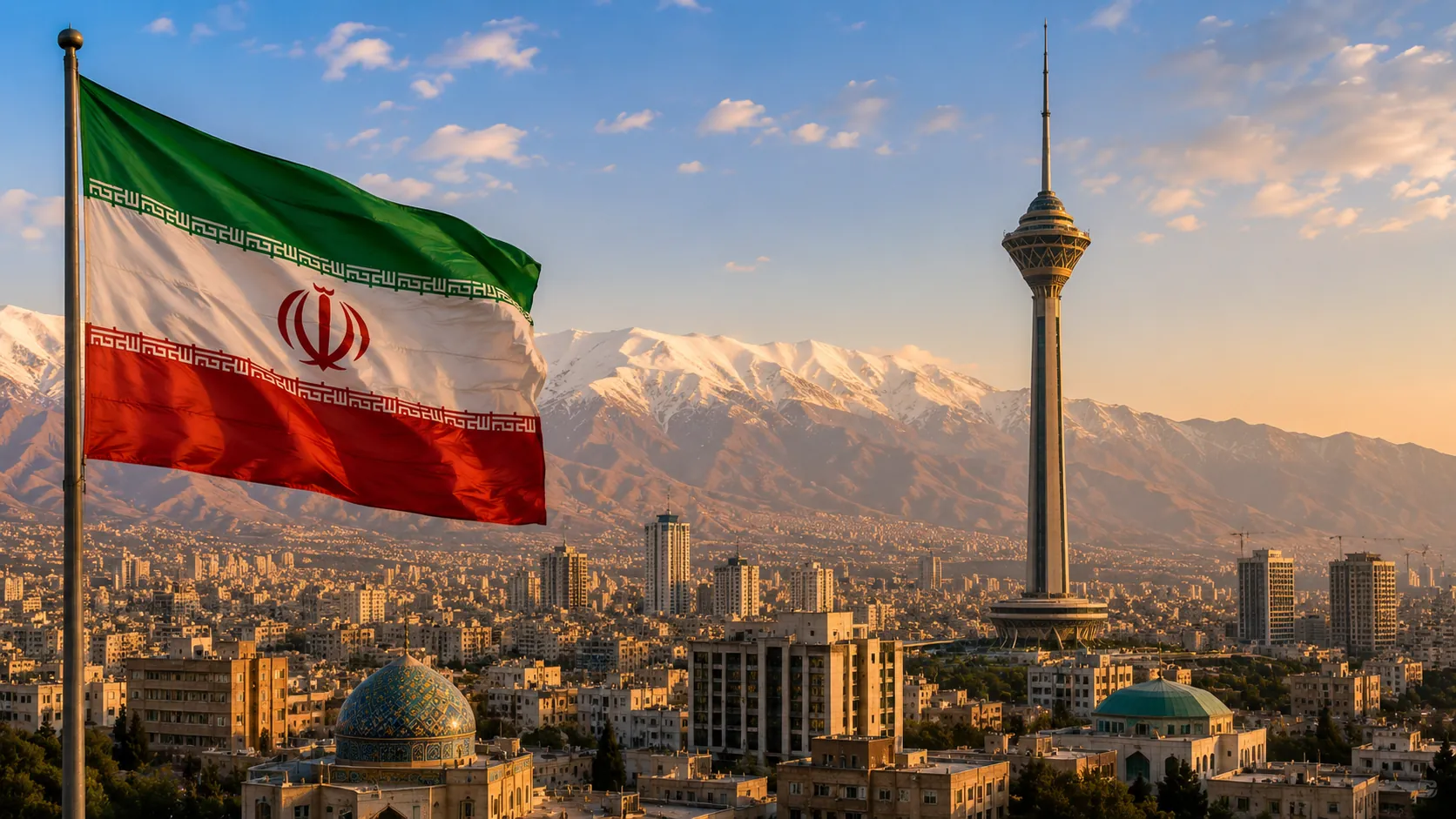
President Trump announced that the United States would hold off on a planned new military attack against Iran, saying negotiators had established the broad outlines of an agreement intended to end the conflict, eliminate Iran's nuclear threat and fully reopen the Strait of Hormuz. The announcement marks a sudden diplomatic turn after days of escalating warnings that American and Israeli forces were preparing additional strikes against Iranian targets.
Trump said on August 1, 2026, that Iran and other unnamed Middle Eastern governments had asked Washington for time to complete the agreement. He said Israel had joined the commitment to pursue a deal but warned that the United States remained prepared to attack if negotiations did not produce results rapidly. The framework has not been finalized or publicly released, and no signing date has been confirmed.
Iranian officials disputed Trump's description of the diplomatic outreach. Tehran denied requesting a halt to hostilities, characterized portions of his account as misinformation and warned that any renewed American or Israeli attack would receive a decisive response. That disagreement leaves uncertainty over how close the parties actually are to a settlement, despite Trump's claim that the basic parameters have been established.
The Strait of Hormuz, a critical route for global oil and liquefied natural gas shipments, remains at the center of the negotiations. Disruptions and reduced tanker traffic through the waterway have contributed to higher energy prices and broader concerns about commercial shipping. Saudi Crown Prince Mohammed bin Salman also urged Trump during a telephone call to prioritize diplomacy, according to reporting on the discussions, amid fears that further strikes could trigger Iranian retaliation against Gulf energy infrastructure.
American negotiators, including Secretary of State Marco Rubio, Steve Witkoff and Jared Kushner, are reportedly involved in efforts to reach an agreement. Until Iran publicly accepts the proposed conditions, Trump's decision represents a temporary pause in planned military action rather than a confirmed peace settlement.