Fast-moving wildfire jumps Spokane River and forces evacuations
Old Trails Fire threatens 4,000 structures as Washington declares emergency
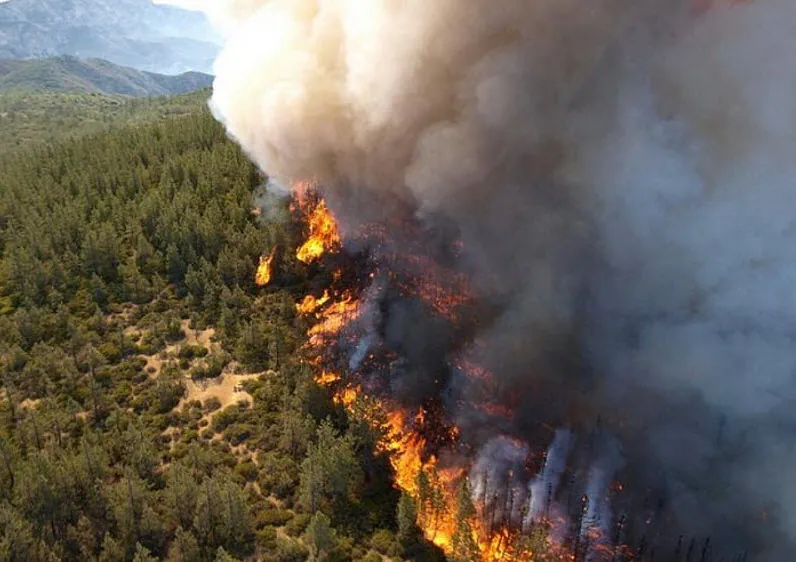
A wind-driven wildfire swept through northwestern Spokane, Washington, crossed the Spokane River and forced thousands of residents to evacuate as extreme heat and dry conditions intensified fires across the state. The Old Trails Fire had burned approximately 3,000 acres by Saturday evening, threatened about 4,000 structures and remained uncontained as firefighters confronted strong winds and rapidly changing conditions.
The fire began around noon on August 1, 2026, in brush and grass before spreading north and east toward residential neighborhoods. Level 3 “Go Now” evacuation orders were issued in affected areas, while some structures were confirmed lost, although authorities had not completed a damage assessment. Spokane officials also evacuated several major facilities, including a Department of Veterans Affairs hospital, water reclamation operations and a waste-to-energy plant.
Governor Bob Ferguson declared a statewide emergency and imposed a statewide burn ban as more than a dozen active fires burned across over 250,000 acres. Approximately 4,000 firefighters were working across Washington, including personnel from more than a dozen other states and members of the Washington National Guard. Utility provider Avista reported roughly 60,000 customers without power after implementing safety shutoffs in areas facing elevated fire danger.
The National Weather Service issued a particularly dangerous situation red flag warning for eastern Washington because of unusually high temperatures, low humidity and powerful winds. State Public Lands Commissioner Dave Upthegrove said about 450,000 acres had burned in Washington since the beginning of the summer, describing the scale of the season as abnormal.
No wildfire-related deaths or injuries had been reported as of Saturday evening. The cause of the Old Trails Fire remained under investigation, and officials warned that evacuation zones, acreage estimates and structure-loss figures could change as crews assessed the damage and continued suppression efforts.