25 States Sue to Block Trump’s New Tariffs
Coalition targets 10%–12.5% duties on 60 partners, seeks refunds
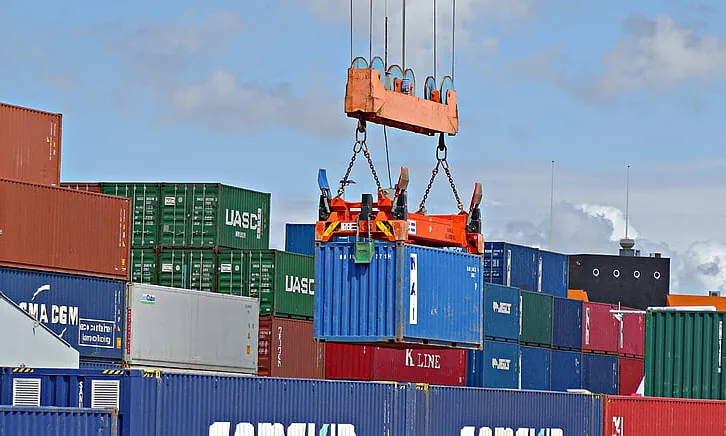
A coalition of 25 states filed suit on August 3, 2026 in the U.S. Court of International Trade seeking to block President Trump’s latest import duties, arguing the policy exceeds executive authority and sidesteps prior court defeats. The complaint targets new Section 301 tariffs under the Trade Act of 1974 that levy 10%–12.5% on goods from 60 trading partners—including 59 countries plus the European Union—a scope the administration says covers about 99.4% of all U.S. imports.
State attorneys general, including Letitia James of New York and Rob Bonta of California, contend the “forced-labor” rationale is a pretext for reinstating broad import taxes. They ask the court to declare the rule unlawful, enjoin collection, and order refunds of duties already paid. A White House spokesman, Kush Desai, defended the move, saying the executive branch is using its lawful authority to eliminate “unreasonable” trade practices tied to goods produced with forced labor.
The case escalates a yearlong legal fight over tariffs. In February 2026, the Supreme Court ruled that the International Emergency Economic Powers Act of 1977 did not authorize presidential tariff power, prompting refunds and a stopgap 10% global duty under Section 122 that expired on July 24, 2026. The administration then shifted to Section 301 as a more durable basis for the new measures. Economists at the Federal Reserve Bank of New York estimated that nearly 90% of earlier tariff costs were borne by U.S. businesses and consumers—figures state officials cite in warning of renewed inflationary pressure.
Key specifics: - Court: U.S. Court of International Trade (New York) - Law Invoked: Section 301 of the Trade Act of 1974 - Rates: 10%–12.5% - Scope: 60 trading partners (including the EU), about 99.4% of U.S. imports - Relief Sought: Injunction halting enforcement and full duty refunds
Small businesses also filed separate July 2026 challenges to the same Section 301 action, arguing the government failed to make country‑specific findings and explain how the tariffs would remedy the cited practice. With earlier regimes struck down or expired, this suit asks whether the new framework stays within the lines Congress drew for trade enforcement under Section 301.