U.S., Iran and Oman Close In on 60-Day Hormuz Transit Deal
Dual-lane plan aims to restore vital shipping route
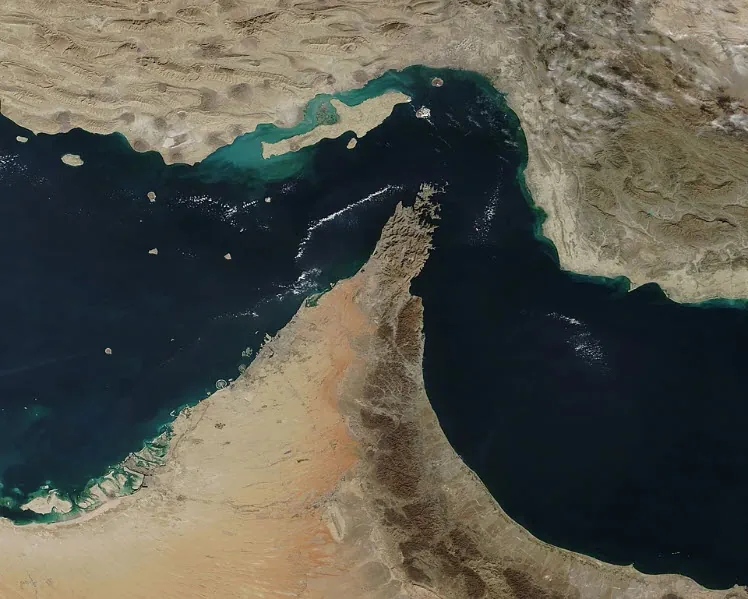
The United States, Iran, and Oman are nearing an interim arrangement to reopen the Strait of Hormuz, a step that could quickly ease shipping disruptions and cool energy markets. On August 4, 2026, Treasury Secretary Scott Bessent said a deal could be reached "today or tomorrow," and international benchmark Brent crude traded near $78.43 per barrel early Wednesday as traders priced in lower risk of prolonged outages.
Officials and mediators describe a draft, time-limited framework intended to restore commercial traffic while broader talks continue. The proposal would run for roughly 60 days and structure traffic into two managed corridors, paired with expedited mine-clearing to reduce hazards to merchant shipping.
- 60-day interim transit plan aimed at immediately normalizing flows - Dual lanes: inbound via a northern lane under Iran; outbound via a southern lane under Oman (in coordination with Iran) - 30-day operation to clear naval mines in the median lane - Interim fees: reporting differs on whether any transit charges would apply; U.S. officials oppose tolls and insist on freedom of navigation
The stakes are significant: before the war, Hormuz carried about 20% of global petroleum liquids. A functioning dual-lane system with rapid demining would help stabilize shipping schedules, lower insurance premia for tankers and container vessels, and relieve pressure on refiners and consumers. Early market moves reflect that calculus, but sustained price relief depends on whether traffic actually resumes and stays uninterrupted through the 60-day window.
The talks have accelerated after Washington paused some strikes to create space for diplomacy. President Trump has warned that failure to secure a binding pact could trigger renewed U.S. military action, underscoring that the effort remains fluid. In Tehran, Foreign Ministry spokesperson Esmail Baghaei said discussions with Oman focus on establishing safe inbound and outbound lanes; Iranian officials continue to downplay any direct bilateral negotiations with Washington. Terms have not been finalized, and some specifics—especially on potential transit fees—remain disputed or vary by outlet.