D.C. Circuit Halts Trump’s $400M White House Ballroom
Congress must approve major changes; 14-day pause for Supreme Court bid
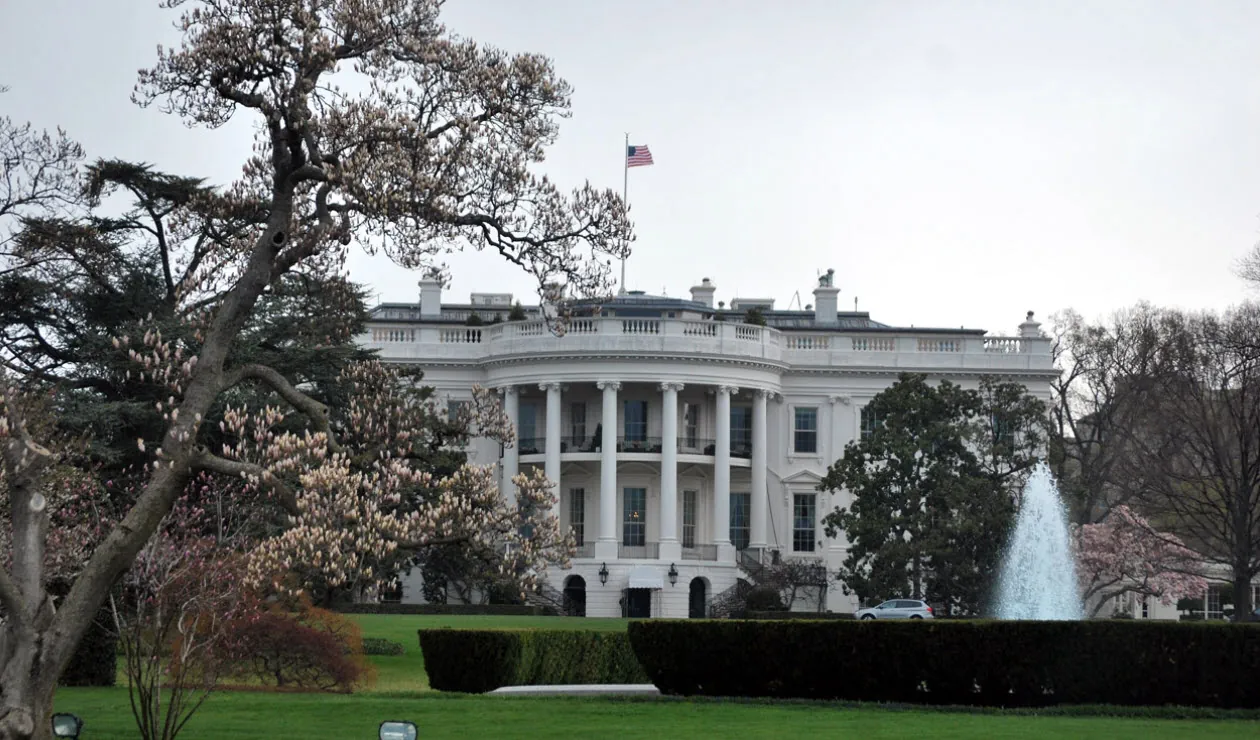
A divided U.S. Court of Appeals for the District of Columbia Circuit ruled 2–1 on August 7, 2026, that President Donald Trump’s proposed $400 million White House ballroom cannot proceed without congressional authorization, upholding a lower court's injunction blocking the project. The court stayed its ruling for 14 days to allow the administration to seek review by the U.S. Supreme Court. In the majority opinion, the judges wrote that “each President is a temporary tenant, not the owner, of the White House,” emphasizing Congress' authority over federal property.
The lawsuit was brought by the National Trust for Historic Preservation, which challenged the demolition of the East Wing and plans for a proposed 90,000-square-foot ballroom. U.S. District Judge Richard Leon issued the preliminary injunction on April 16, 2026, halting above-ground ballroom construction while allowing below-ground national security work to continue. The appeals court agreed with that approach. Judges Patricia A. Millett and Bradley N. Garcia formed the majority, while Judge Neomi Rao dissented, arguing the challengers lacked standing and that presidential authority over the White House complex is broader.
The administration said it will "immediately" appeal, with Trump criticizing the ruling as politically motivated. The White House has maintained that most of the ballroom's funding would come from private donations, while opponents note that lawmakers declined a related administration funding request earlier this year. The National Trust for Historic Preservation welcomed the decision, saying the White House belongs to the American people rather than any single administration.
Planning for the expansion accelerated after the East Wing's demolition in October 2025, with federal design reviews continuing earlier this year. While the court's temporary stay leaves open the possibility of Supreme Court review, the ruling reinforces that major structural changes to the White House require congressional approval unless a higher court reaches a different conclusion.