ICE Limits Public Release of Bodycam Footage to Agency’s ‘Best Interests’
Rollout to all field officers by late September; director can block 72-hour releases
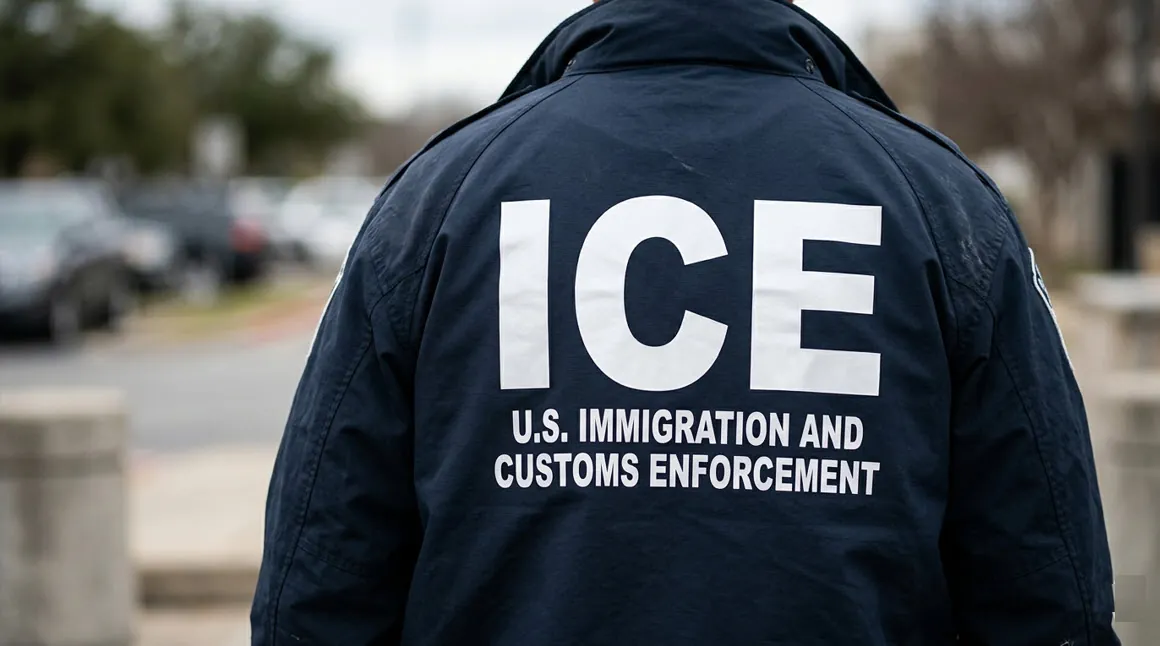
U.S. Immigration and Customs Enforcement (ICE) says every field officer will be equipped with a body-worn camera by the end of September 2026, but its policy allows public release of critical-incident footage only when leadership determines doing so is in the “best interests of the agency.” The policy establishes nationwide camera coverage while giving agency leadership broad discretion over whether the public sees recordings of serious incidents.
Under ICE Directive 19010.3 (issued February 2025), officers must activate cameras during arrests, search warrant executions, and emergency situations. After shootings or incidents resulting in serious injury or death, a review committee may recommend releasing footage within 72 hours, but the ICE director can block or delay release indefinitely if “specific and compelling circumstances” exist. The directive also requires officers' identifying features to be masked before any public release. The announcement follows scrutiny after fatal July encounters involving federal agents as President Trump’s immigration enforcement policies continue to expand.
Federal spending records show ICE purchased $30.9 million in body-camera equipment from Axon in July 2026, following Congress’ $20 million appropriation on April 30, 2026, to accelerate deployment. The agency says at least one member of every arrest team must wear a camera. Training has already begun in the Houston area, where more than 800 cameras have been distributed. The July shootings in Houston and Maine were not recorded. Separately, Customs and Border Protection (CBP) has not released body-camera footage from the January 2026 shooting of Alex Pretti in Minneapolis, saying the incident remains under review.
Critics argue the policy gives ICE broad discretion over which recordings become public. Sociologist Christopher Schneider of Brandon University called the “best interests” standard “the quiet part out loud,” saying it formalizes agency control over public disclosure. ICE says nationwide deployment should be complete by late September 2026, but decisions on releasing footage will remain centralized under agency leadership as lawmakers, courts, and transparency advocates continue debating public access to critical-incident videos.