Iran Says Strait Of Hormuz Will Stay Closed
Oman Transit Talks Continue As Tehran Demands U.S. Concessions
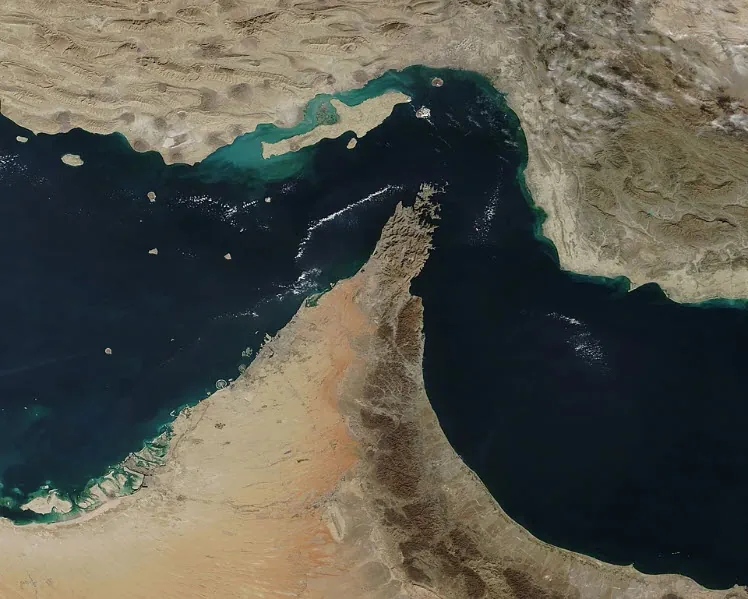
Iran’s Supreme National Security Council said on August 8, 2026 that the Strait of Hormuz will remain closed until the United States meets a series of conditions for reopening the strategic waterway. State media published the directive from Mohammad Bagher Zolghadr, the council’s secretary and a senior Islamic Revolutionary Guard Corps (IRGC) commander, who also said the United States must not threaten Iran again. Negotiators in Oman continue working on a temporary maritime transit framework, but any reopening remains contingent on Washington meeting those conditions. U.S. officials had no immediate comment.
The demands outlined by the council include: - Permanently end the war with Iran and allied groups - Lift the U.S. naval blockade of Iranian ports - Withdraw U.S. military forces from the region - “Completely compensate” Iran for war damage - Lift economic sanctions - Unconditionally release frozen Iranian assets
Diplomats familiar with the Oman negotiations say the emerging proposal would establish a temporary, fee-free shipping corridor, with vessels entering near Iran’s coast and exiting near Oman. The arrangement would restart a 60-day negotiating period aimed at reaching a broader agreement before the current deadline expires in a little over a week from August 8, 2026.
Security risks remain elevated for commercial shipping. The United Arab Emirates said an ADNOC tanker was struck by an Iranian missile early Saturday, with the company reporting that more than a dozen of its vessels have been attacked during the conflict. One crew member has been killed and 20 others wounded across previous incidents. The United Kingdom Maritime Trade Operations also reported a projectile strike east of Khasab, Oman, though it was not immediately clear whether it involved the same attack. Before the conflict, roughly 20% of the world's traded oil and gas passed through the strait.