U.S. Wildfire Response Stays at Level 5 as 94 Large Fires Burn
More than 30,000 personnel deployed as crews battle dangerous conditions
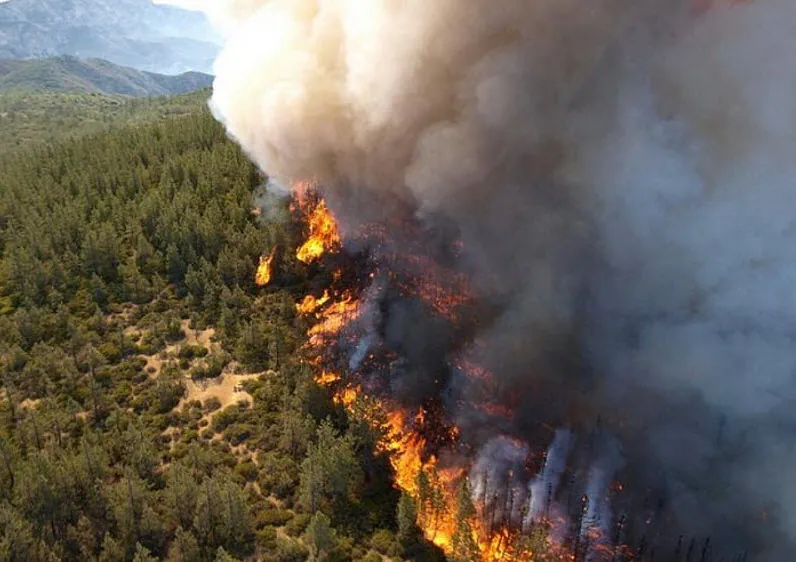
The National Interagency Fire Center (NIFC) kept the United States at Preparedness Level 5, the nation's highest wildfire readiness status, as of August 9, 2026, with 94 large active wildfires burning across multiple Western states. More than 30,000 firefighters and support personnel are assigned nationwide as persistent heat, low humidity, and gusty winds continue fueling dangerous fire conditions and stretching available resources.
Preparedness Level 5 is reserved for periods when national firefighting resources are heavily committed and personnel and equipment must be shifted to the highest-priority incidents. NIFC said hundreds of engines, hand crews, helicopters, and air tankers remain deployed, while 74 wildfire specialists from Australia and New Zealand are assisting U.S. operations. Military MAFFS-equipped C-130 aircraft are also supporting aerial firefighting missions where needed. Fire managers continue emphasizing aggressive initial attacks on new fires while maintaining structure protection around threatened communities.
The strain is evident across the West. Near Spokane, Washington, officials said approximately 920 structures have been damaged or destroyed by recent wildfires, although cooler conditions have allowed firefighters to make progress on containment in several areas. In Utah's Fishlake National Forest, authorities confirmed that two helicopter pilots died after their firefighting aircraft crashed while battling the Widemouth 2 Fire. The National Transportation Safety Board is investigating the crash. Evacuation orders and warnings also remain in effect in parts of several Western states as firefighters respond to changing weather and rapidly shifting fire behavior.
Fire officials warned that continued hot, dry, and windy weather across portions of the Pacific Northwest, Great Basin, and Northern Rockies could keep wildfire danger elevated through the coming days. They urged residents in fire-prone areas to monitor evacuation notices, prepare emergency plans, and avoid activities that could spark additional fires while national firefighting resources remain under significant demand.