Trump Asks Supreme Court To Keep White House Ballroom Project Moving
Response due Tuesday before Aug. 21 construction halt
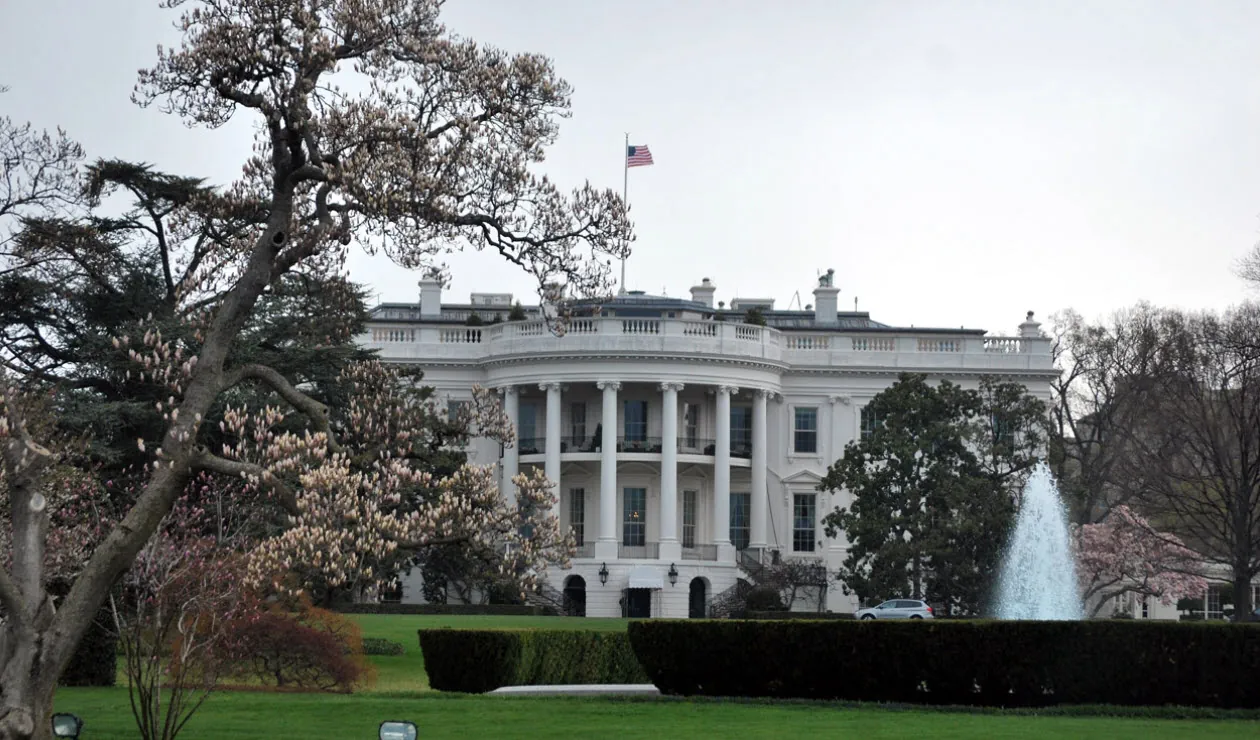
President Trump asked the U.S. Supreme Court on August 14, 2026, to allow construction of the new White House ballroom project to continue while legal challenges proceed. Solicitor General D. John Sauer filed an emergency application seeking to pause a lower court order that would halt above-ground construction on August 21, arguing that delaying the project would disrupt presidential operations, increase costs and interfere with security-related planning. Chief Justice John Roberts ordered opponents to file their response by Tuesday, August 18.
The dispute centers on a planned $400 million, 90,000-square-foot ballroom that would replace the former East Wing, which was demolished earlier this year. A divided U.S. Court of Appeals for the District of Columbia Circuit ruled that the administration could not continue above-ground construction without explicit congressional authorization. The court allowed underground work tied to security infrastructure to continue but ordered visible construction to stop while the case moves forward. The administration told the Supreme Court the overall project is approximately 65% complete and argued that the National Trust for Historic Preservation lacks legal standing to challenge the project.
If the Supreme Court grants the emergency request, above-ground construction could continue while the broader lawsuit proceeds through the courts. If the request is denied, the appellate court's injunction will take effect on August 21, requiring contractors to suspend above-ground work pending further legal proceedings. The case could clarify the scope of presidential authority to undertake major construction projects on White House grounds without explicit congressional approval and determine who has legal standing to challenge such projects.
The National Trust for Historic Preservation argues the administration bypassed the approvals and review process historically associated with major White House construction projects. The administration maintains the ballroom is lawful, funded through private and redirected federal resources, and necessary to improve security, official event capacity and White House operations.