U.S.-Iran 60-Day Memorandum Expires Without Broader Agreement
Hormuz shipping restrictions remain as negotiations continue
The 60-day Islamabad Memorandum of Understanding between the United States and Iran expired on August 17, 2026, without either side reaching a broader agreement or announcing an extension. The lapse leaves negotiations at an impasse while restrictions affecting commercial shipping through the Strait of Hormuz remain in place.
The interim agreement, signed on June 17, 2026, by President Trump and Iranian President Masoud Pezeshkian following mediation by Pakistani Prime Minister Shehbaz Sharif, established a temporary framework intended to reduce hostilities and create time for negotiations on a longer-term settlement. Officials from both countries have since accused the other of failing to meet key commitments, preventing talks from producing a permanent agreement before the deadline expired.
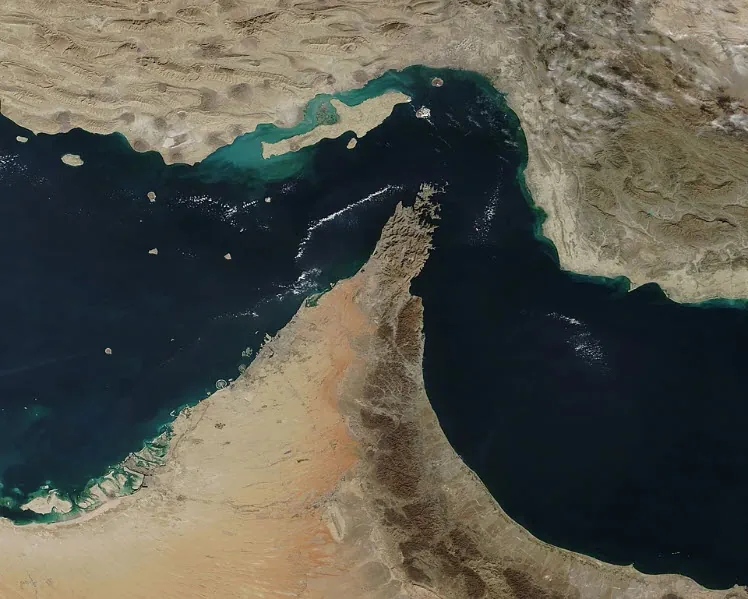
The Strait of Hormuz remains one of the world's most important maritime trade routes, carrying roughly 20% of global petroleum shipments. While discussions involving Oman and other regional intermediaries have continued over possible maritime arrangements, broader issues—including sanctions, security guarantees, and long-term navigation rights—remain unresolved. Commercial shipping has not returned to normal levels, and U.S. military enforcement operations continue in the region.
The expiration of the memorandum does not automatically end diplomatic contacts, but it closes the original negotiating window established in June. Officials have not announced a replacement framework, leaving future negotiations dependent on additional diplomatic efforts and any new proposals that may emerge in the coming weeks.