Trump Aims for Year-End Summit With Kim Jong Un
North Korea denies active contacts after U.S. outreach
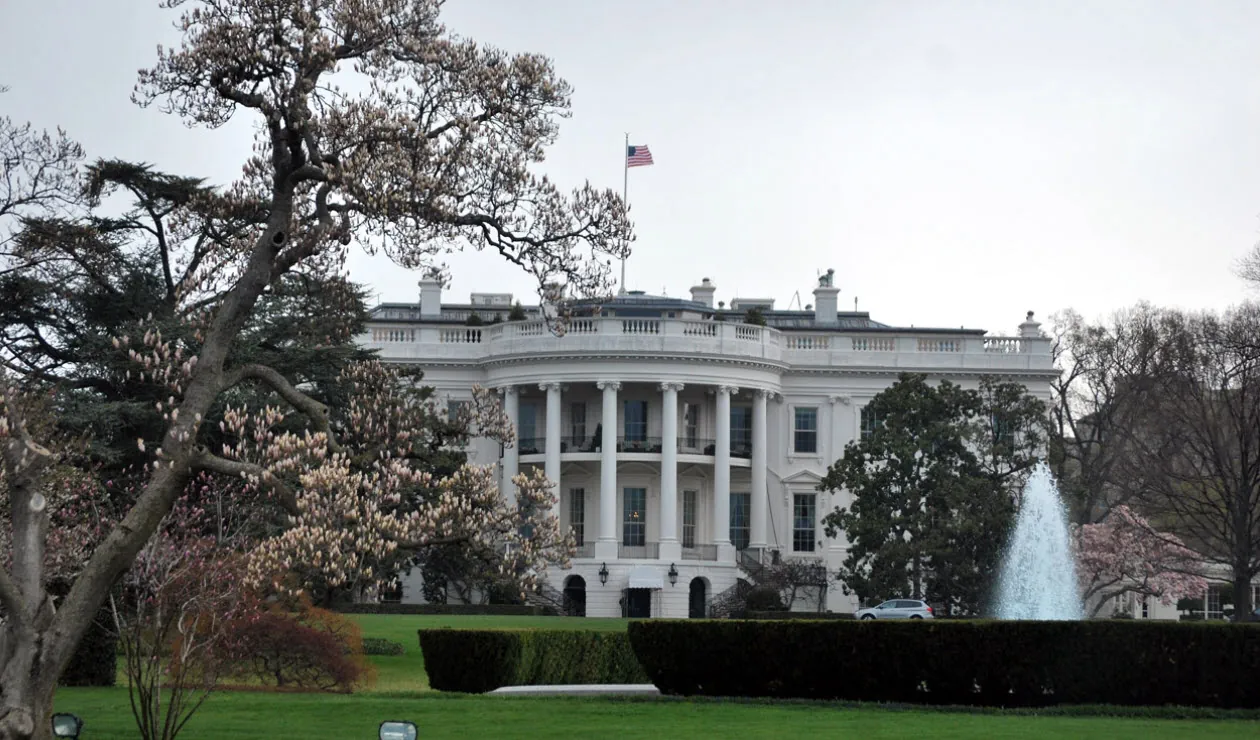
President Trump said on August 19, 2026, that he intends to hold a fourth in-person meeting with Kim Jong Un before the end of the year, reviving high-level U.S.–North Korea diplomacy. Speaking at the White House, Trump also claimed North Korea currently possesses 57 nuclear weapons and said renewed leader-to-leader engagement offers the best opportunity to reduce tensions and restart negotiations.
North Korea quickly disputed the suggestion that talks are underway. In a statement carried by state media KCNA, Kim Yo Jong—Kim's sister and a senior Workers' Party of Korea official—said she was "completely unaware" of any direct communications between the two governments. While acknowledging the leaders' personal relationship, she maintained that U.S. policy toward North Korea remains fundamentally hostile.
The announcement follows the administration's decision to scale back portions of the annual Ulchi Freedom Shield military exercises with South Korea. U.S. officials are reportedly considering the Asia-Pacific Economic Cooperation (APEC) summit in Shenzhen, China, this November as a possible opportunity for the two leaders to meet if diplomatic contacts can be established beforehand.
Trump's claim that North Korea possesses 57 nuclear weapons has not been independently verified. On August 20, South Korean Defense Minister Ahn Gyu-baek said Seoul estimates North Korea's arsenal at 80 to 120 nuclear warheads, highlighting the uncertainty surrounding Pyongyang's capabilities. Any future summit would mark the leaders' fourth meeting following encounters in Singapore (2018), Hanoi (2019), and Panmunjom (2019), which produced historic diplomacy but no lasting nuclear agreement.