50% U.S. Tariffs on Canadian Goods Take Effect
Canada Suspends Trade Talks and Pledges Matching Tariffs
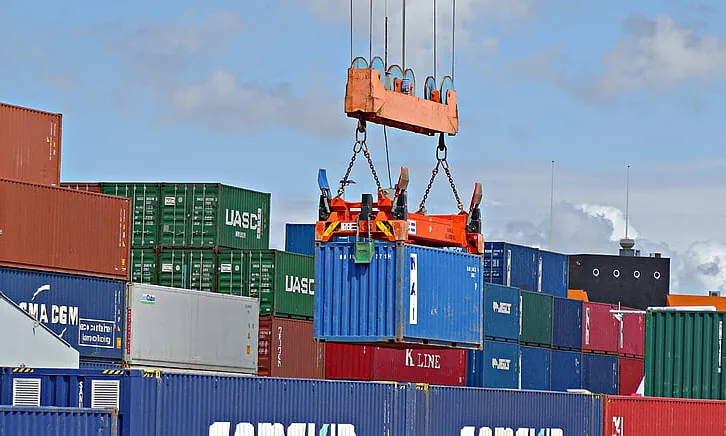
New 50% U.S. tariffs on approximately $20 billion worth of Canadian products took effect early August 22 after last-minute negotiations between the United States and Canada failed to produce an agreement. Canadian Prime Minister Mark Carney responded by suspending trade negotiations, ordering Canada's negotiating team back to Ottawa and pledging that Canada would match the new U.S. tariffs "dollar for dollar" to protect Canadian workers and businesses.
The tariffs affect about 5% of Canada's annual exports to the United States and cover products ranging from hockey sticks to tongue depressors. U.S. Trade Representative Jamieson Greer said Canada declined to finalize a deal under terms that had been agreed to earlier in the week. Carney gave a different account, saying last-minute changes to the U.S. proposal were unfair and economically unacceptable. A senior Trump administration official said negotiations had included longstanding disputes involving steel, aluminum, automobiles and lumber, with Canada seeking concessions the United States was unwilling to provide.
The new duties were imposed under Section 338 of the Tariff Act of 1930, an authority allowing the president to impose tariffs of up to 50% against countries determined to discriminate against U.S. commerce. The administration turned to the rarely used provision after the Supreme Court earlier restricted President Trump's use of a separate emergency-powers law for tariffs. Unlike many existing U.S. tariffs on Canadian goods, the new 50% duties do not include the broad exemption normally available for products complying with the United States-Mexico-Canada Agreement.
The escalation threatens a deeply integrated trading relationship. The United States and Canada exchanged about $880 billion in goods and services last year, and industries including automobiles rely on supply chains that cross the border repeatedly during production. Economists said the overall tariff package covers a relatively small share of Canadian exports, but retaliation could widen the economic damage and complicate future negotiations over the North American trade agreement.