Trump Waives Higher Beef Import Tariffs for 90 Days
Move Aims to Lower Grocery Prices but Draws Rancher Opposition
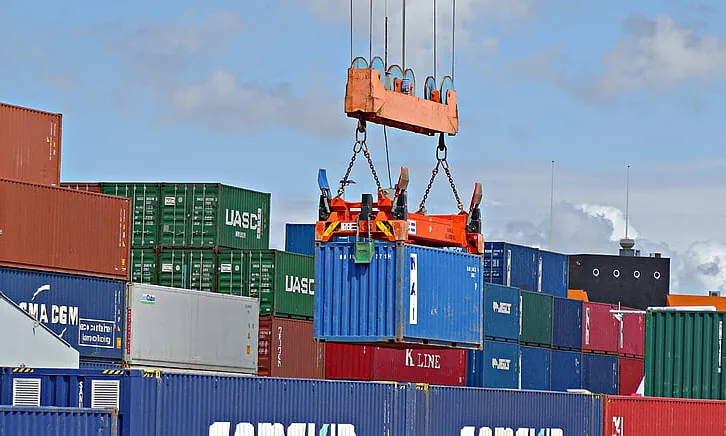
President Trump announced a 90-day suspension of out-of-quota tariffs on imported ground beef, allowing up to 300,000 metric tons to enter the United States without the higher duties normally imposed after annual import limits are reached. Trump said foreign suppliers had agreed to provide beef at prices roughly 25% below current market levels, describing the move as an effort to reduce grocery costs after retail ground beef prices climbed to a record $6.89 per pound in July 2026, according to federal labor data.
Under existing trade rules, beef imports that exceed established quotas are generally subject to a 26.4% tariff under World Trade Organization commitments. The temporary waiver removes those additional duties for qualifying imports during the 90-day period. Administration officials said the measure is intended to increase available supply and provide consumers with lower-priced beef while domestic production remains constrained by historically small cattle herds.
The announcement immediately drew criticism from U.S. cattle producers and several lawmakers from major ranching states. National Cattlemen's Beef Association Chief Executive Colin Woodall argued that increasing imports would place additional financial pressure on American ranchers without addressing the long-term causes of higher beef prices. Sen. Deb Fischer of Nebraska and Sen. Tim Sheehy of Montana also criticized the decision, saying it could discourage producers from rebuilding cattle herds that have declined following years of drought and elevated operating costs. U.S. Department of Agriculture data show the nation's cattle inventory remains near multi-decade lows, limiting domestic beef production despite strong consumer demand.
Supporters of the temporary tariff waiver say increasing imports could provide short-term price relief for shoppers facing persistent food inflation, while critics contend that expanding foreign supply may weaken domestic producers without solving the structural challenges affecting the U.S. cattle industry. The administration has indicated the policy will be reviewed after the 90-day period to determine whether additional action is warranted.