Roberts Temporarily Allows White House Ballroom Construction
Chief Justice Pauses Lower Court Order While Supreme Court Reviews Case
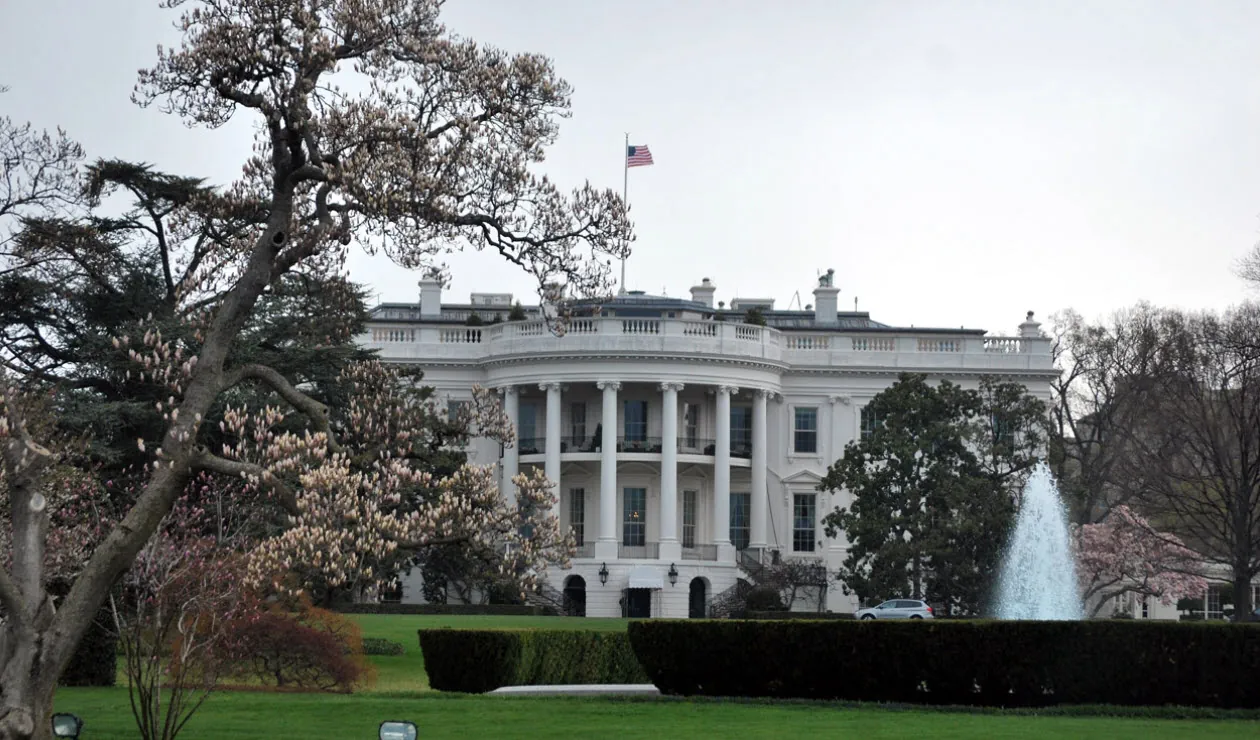
Chief Justice John Roberts issued an emergency administrative stay allowing construction on the proposed $400 million White House ballroom to continue while the U.S. Supreme Court considers the Trump administration's emergency appeal. The one-page order temporarily blocks a lower court injunction that was scheduled to halt above-ground construction, preserving the status quo until the full court decides whether further relief is warranted.
The administration asked the Supreme Court to intervene after the U.S. Court of Appeals for the District of Columbia Circuit upheld a preliminary injunction issued by Senior U.S. District Judge Richard Leon. The lower courts concluded that the executive branch had not demonstrated clear legal authority to proceed with permanent above-ground construction without additional congressional authorization. Solicitor General D. John Sauer argued that delaying the project would cause irreparable harm, stating that the planned ballroom is integrated with broader security and operational improvements beneath the White House complex.
The lawsuit was brought by the National Trust for Historic Preservation, which challenged the demolition of the historic White House East Wing and the construction project under federal historic preservation and appropriations laws. While Judge Leon previously allowed underground work related to security infrastructure to continue, he ordered above-ground construction to stop pending further legal review. The administration contends the project falls within presidential authority to maintain and secure the executive residence, while the plaintiffs argue that Congress must authorize such permanent changes to federal property.
An administrative stay is not a ruling on the merits of the dispute. Instead, it temporarily pauses a lower court's order while the Supreme Court reviews the emergency filings. The justices will now decide whether to leave the injunction in place, extend the stay during the appeal, or allow construction to continue as the litigation moves forward.