China Prepares Chang'e-7 Mission to Search for Lunar Ice
South Pole Probe Advances Long-Term Moon Base Plans
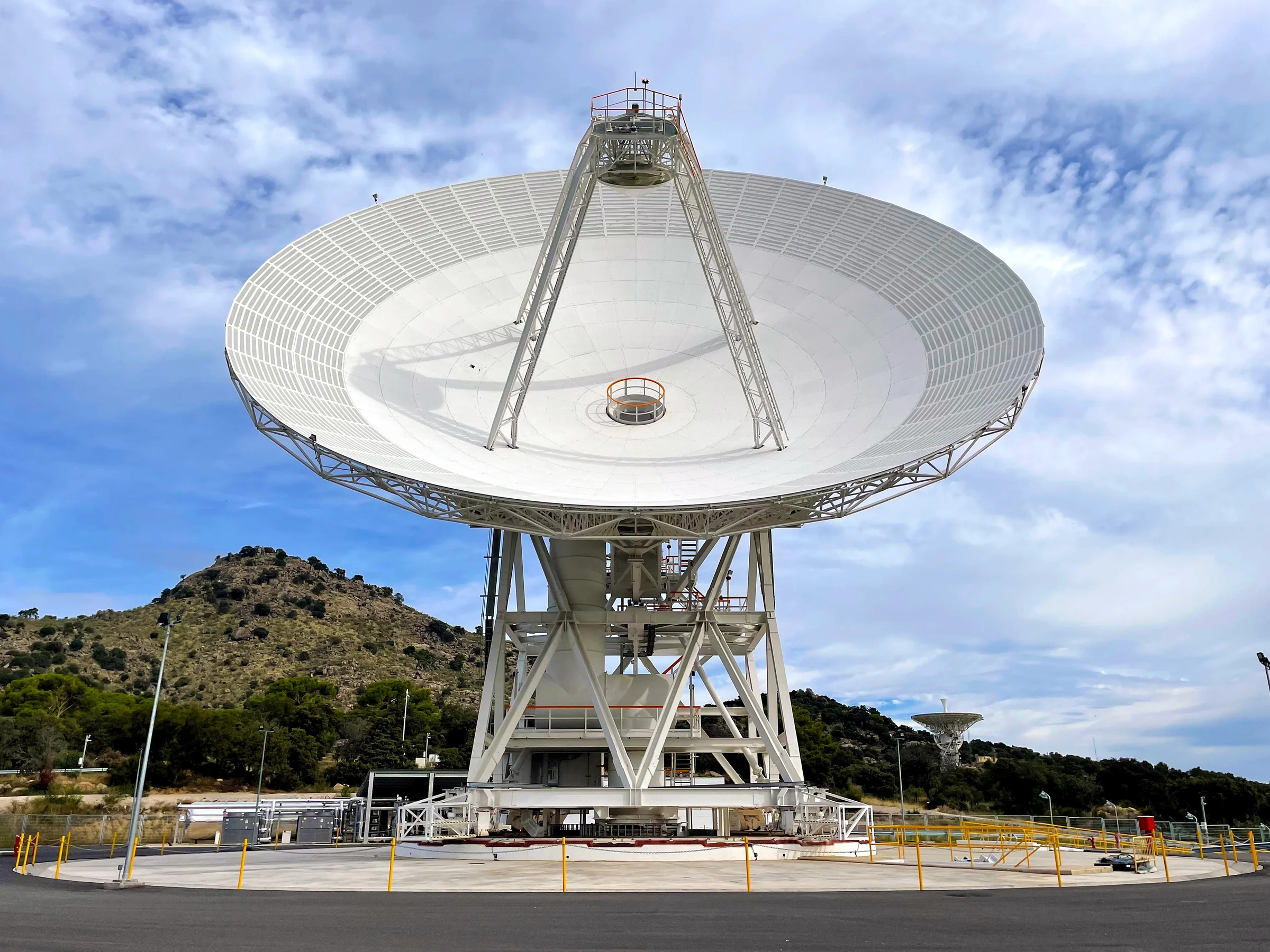
China is completing final preparations to launch its Chang'e-7 lunar mission on August 24 from the Wenchang Spacecraft Launch Site on Hainan Island. The mission, carried into space aboard a Long March-5 rocket, is designed to search for water ice trapped inside permanently shadowed craters near the Moon's south pole. Chinese scientists view the mission as a major step toward future human exploration and the development of long-term lunar infrastructure.
The approximately 8,200-kilogram spacecraft consists of four primary components: an orbiter, a lander, a rover, and a small hopping probe capable of entering craters that receive little or no sunlight. After reaching lunar orbit, mission controllers plan to map the landing region before attempting a touchdown near Shackleton Crater, one of the Moon's most closely studied south polar features. The hopping probe will then descend into permanently shadowed areas where temperatures remain extremely low, allowing scientists to directly search for water ice and other volatile compounds that cannot survive in sunlit regions.
Water ice is considered one of the most valuable resources for future lunar exploration because it can provide drinking water, breathable oxygen, and hydrogen fuel for spacecraft. Chinese officials say the mission supports the country's objective of landing astronauts on the Moon before 2030 and contributes to plans for the International Lunar Research Station, a proposed lunar base being developed with international partners. The spacecraft also carries six international scientific payloads and will communicate through China's Queqiao-2 relay satellite, which was launched to support operations on the Moon's far side and polar regions.
Scientists around the world are increasingly focusing on the lunar south pole because orbital missions from several countries have found strong evidence that significant ice deposits may exist beneath the surface in permanently shadowed craters. Data returned by Chang'e-7 could help determine how accessible those resources are and shape future international exploration efforts, whether for scientific research or sustained human presence on the Moon.