European Wildfires Ignite Buried Wartime Explosives
World War Munitions Force Fire Crews to Change Tactics
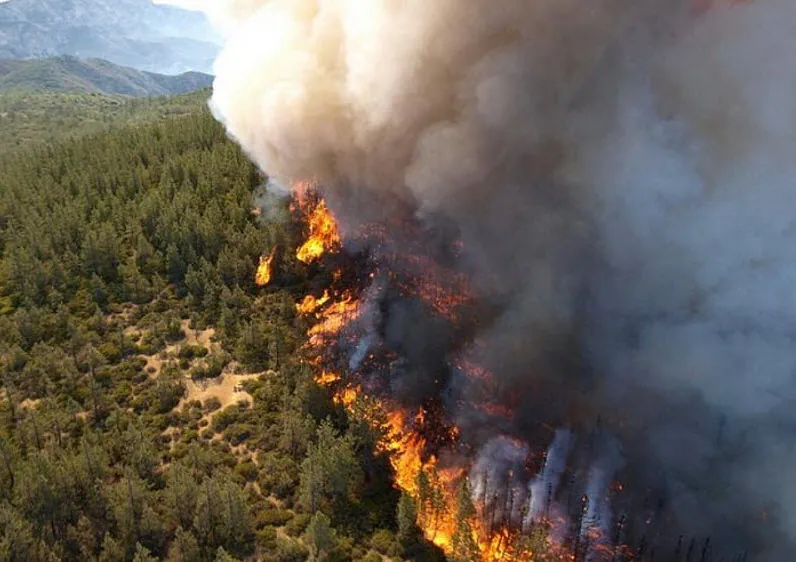
Wildfires fueled by extreme heat and drought across Western Europe are exposing and detonating unexploded World War I and World War II munitions, creating new dangers for firefighters and emergency responders. Authorities in Belgium, France, Germany, and the Netherlands have deployed military explosive ordnance disposal teams after fires reached historic battlefields and former military sites where thousands of shells, mortars, and other explosives remain buried decades after the wars ended. Officials warned that the combination of intense heat, dry soils, and advancing flames has increased the likelihood of dormant munitions exploding unexpectedly.
In Belgium's Liège Province, multiple unexploded shells detonated as fires burned through the High Fens near Elsenborn, prompting emergency crews to establish exclusion zones and modify firefighting operations. In southwestern France, a wildfire near Le Porge uncovered an abandoned cache of about 400 wartime mortar and anti-tank shells, with more than 100 explosions reported as flames swept through the area. Dutch defense officials also dispatched bomb disposal specialists to forests in Limburg, where fires threatened former 1944 battlefield positions containing unexploded ordnance.
Military demining teams said the hazards extend well beyond active fire zones because firefighters often cannot safely approach burning areas until explosive risks are assessed. Belgium's Explosive Ordnance Disposal Service responds to more than 3,000 requests each year and safely removes an estimated 200 to 250 tons of wartime munitions. Authorities said wildfires complicate those missions by limiting access, reducing visibility, and increasing the chance of sudden detonations that can endanger both emergency personnel and nearby communities.
Researchers say climate extremes are worsening the problem by drying vegetation and eroding soil that had long concealed wartime explosives. As hotter summers become more common across Europe, emergency planners expect unexploded ordnance to remain an increasingly significant challenge during wildfire seasons, particularly in regions that experienced heavy fighting during the two world wars.