Trump Sends Saudi Nuclear Agreement to Congress
90-day review begins as White House ties deal to Israel recognition
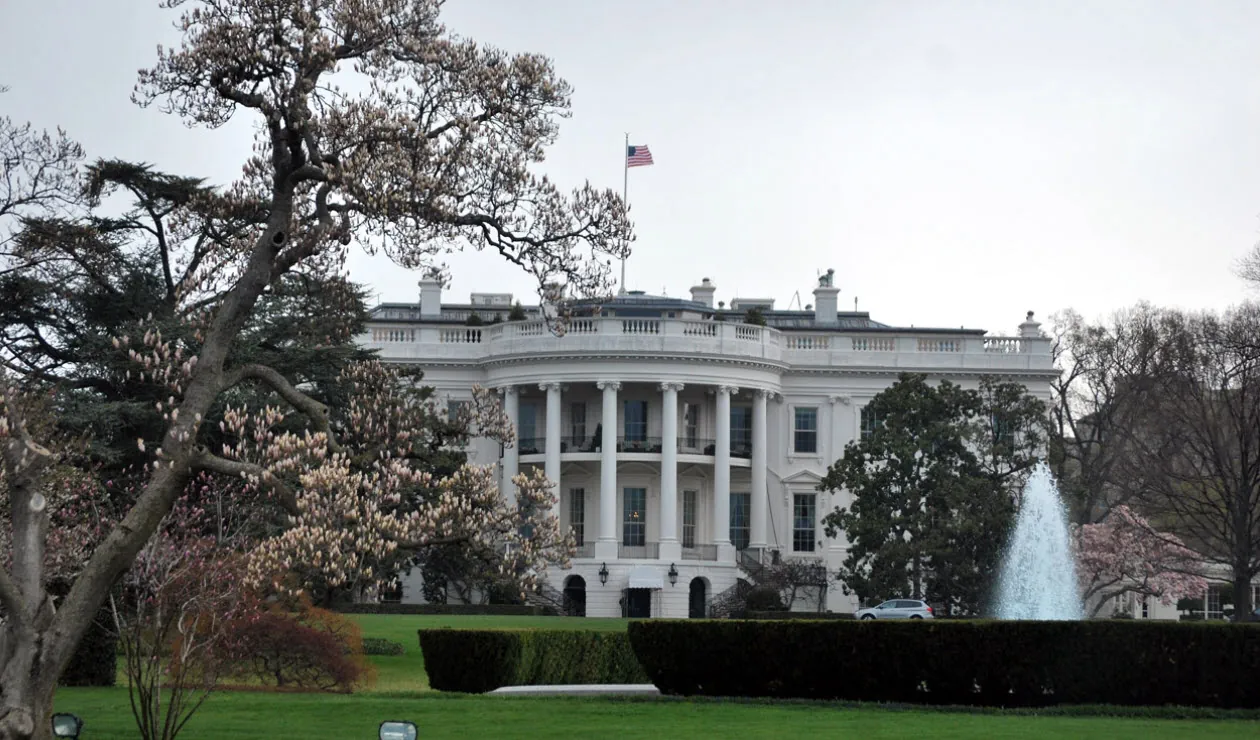
The Trump administration has formally submitted a 30-year civilian nuclear cooperation agreement with Saudi Arabia to Congress, triggering the 90-day review process required under the Atomic Energy Act. The proposed Section 123 Agreement, signed on July 22, 2026, would allow American companies to help develop Saudi Arabia's civilian nuclear energy program, including the potential construction of commercial reactors. The White House said the agreement will not take effect unless Saudi Arabia establishes formal diplomatic relations with Israel through the Abraham Accords.
The agreement was signed by U.S. Energy Secretary Chris Wright and Saudi Energy Minister Prince Abdulaziz bin Salman. Administration officials said the partnership would expand U.S. participation in the global nuclear energy market while strengthening strategic ties with Saudi Arabia. Officials also argued that linking implementation to normalization with Israel advances broader U.S. diplomatic objectives in the Middle East.
Under the review process, Congress has 90 days to examine the classified agreement. Unless lawmakers pass a joint resolution of disapproval that survives a potential presidential veto, the agreement may enter into force after the review period expires. Several lawmakers and nonproliferation experts have raised questions about whether the agreement contains sufficient restrictions on uranium enrichment and spent fuel reprocessing, safeguards that have been included in some previous U.S. civilian nuclear agreements.
Saudi officials have continued to state that formal recognition of Israel remains contingent on meaningful progress toward establishing an independent Palestinian state, a position that has complicated regional diplomacy. As Congress begins its review, lawmakers are expected to examine both the agreement's nonproliferation provisions and its broader implications for U.S. foreign policy, Middle East security, and future nuclear cooperation with allies.