Iraq offers Basrah crude for delivery outside Hormuz
New SOMO tender shifts Gulf transit risk away from buyers
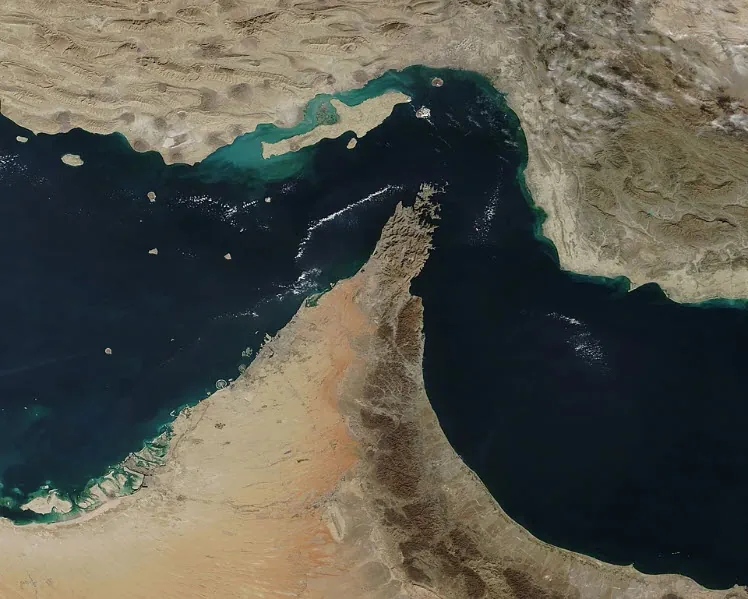
Iraq's State Oil Marketing Organization (SOMO) has issued a new tender allowing buyers to receive Basrah crude outside the Strait of Hormuz, marking a significant change in how Baghdad is trying to keep oil exports moving during continued disruption in the strategic waterway. The tender covers September-loading Basrah Medium and Basrah Heavy crude and allows delivery through ship-to-ship transfers off the coast of Oman, meaning buyers would no longer need to send their own tankers through Hormuz to collect the cargo. Bids are due August 28.
The offer is SOMO's second crude tender this week. An earlier tender required buyers to charter vessels into the Persian Gulf and load directly from Iraq's Basrah Oil Terminal or associated offshore facilities. Under the new structure, Iraq would move the crude through the strait before transferring it to buyers in safer waters outside Hormuz, shifting much of the most dangerous portion of the voyage away from foreign customers and shipowners.
The change comes as Iraq continues struggling to restore southern oil exports following months of disruption. Basrah shipments averaged about 1.4 million barrels per day in July, up from roughly 500,000 barrels per day in June and 100,000 barrels per day in May, but still far below pre-disruption levels of more than 3.3 million barrels per day. Iran recently granted permission for some Iraqi tankers to transit the strait following repeated requests from Baghdad, but commercial shipping through the corridor remains well below normal levels and insurers and vessel owners continue to treat the route as high risk.
The Iraqi tender also reflects a broader shift among Gulf producers. Saudi Aramco has increasingly offered crude through ship-to-ship transfers off Oman and the United Arab Emirates, allowing customers to receive oil without sending tankers through Hormuz. Iraq is also pursuing longer-term pipeline alternatives through neighboring countries to reduce its dependence on the waterway.