NTSB says White House construction contributed to Marine One close call
Temporary helipad created radio problems before Reagan near-miss
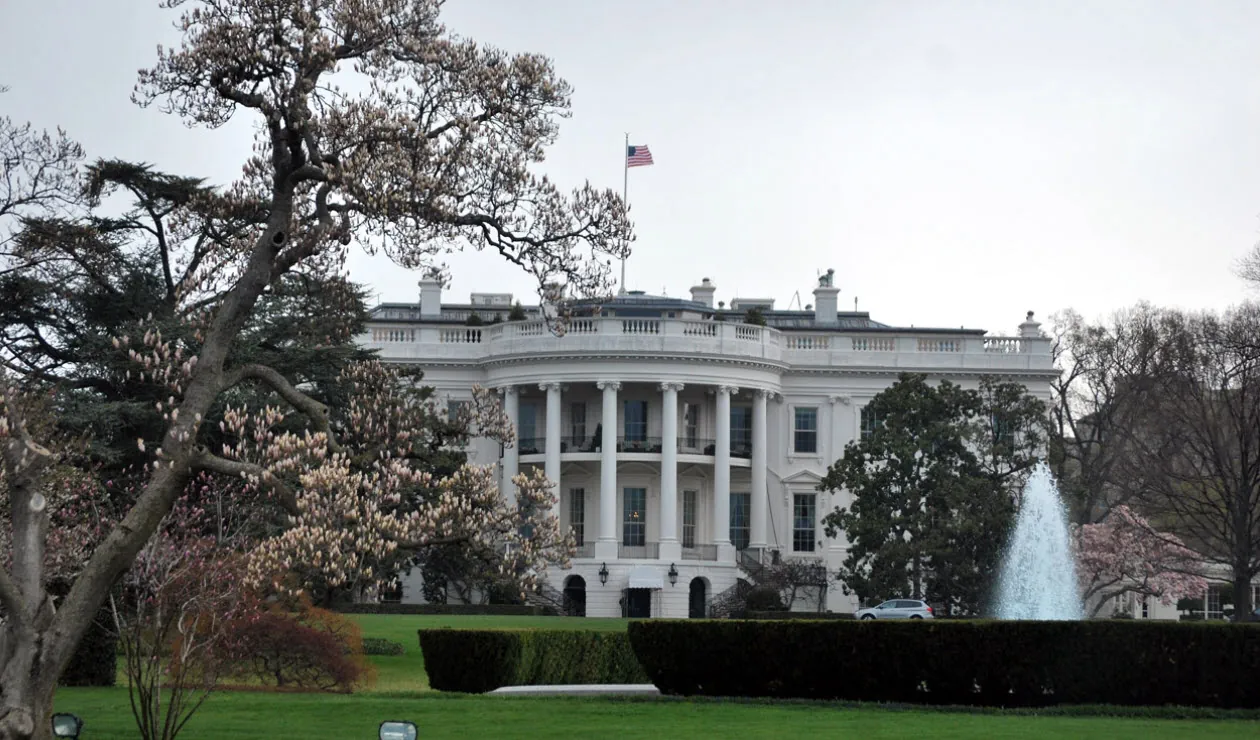
A preliminary National Transportation Safety Board (NTSB) report found that ongoing White House construction contributed to a communications breakdown that preceded an August 4, 2026 near-miss between Marine One carrying President Trump and a departing commercial airliner near Ronald Reagan Washington National Airport. Investigators said construction forced presidential helicopter operations to shift temporarily from the White House South Lawn to a landing site on the Ellipse, where radio coverage problems prevented required warning calls from reaching air traffic controllers.
According to the report, Marine One, a Sikorsky VH-3D helicopter, departed the temporary landing site while Envoy Air Flight 3742, an Embraer E-170, was cleared for takeoff from Reagan National. The aircraft came within 0.82 nautical miles laterally and 700 feet vertically, falling below required Federal Aviation Administration separation standards. The NTSB said two mandatory three-minute advance warning calls intended to alert controllers before the presidential helicopter's departure were either unheard or unintelligible because of poor radio reception between the Ellipse and the airport's communications system.
Investigators found that flight crews and air traffic personnel had already identified communication problems before the incident. During a July 30 coordination meeting, officials discussed intermittent radio reception and established a backup relay through Joint Base Anacostia-Bolling. That contingency also failed during the August 4 event, leaving controllers without the advance notice needed to delay departing aircraft until Marine One had cleared the area.
Following the incident, the FAA relocated its primary radio receiver from an off-site location to the top of the Reagan National control tower, a change the agency said eliminated the communications dead zone affecting the temporary presidential landing site. The NTSB emphasized that its findings are preliminary and that the investigation into the incident remains ongoing as investigators continue examining operational procedures, communications systems and coordination between military and civilian aviation authorities.