Tropical Storm Dolly forms in the Atlantic
Forecasters warn heavy rain possible despite expected weakening
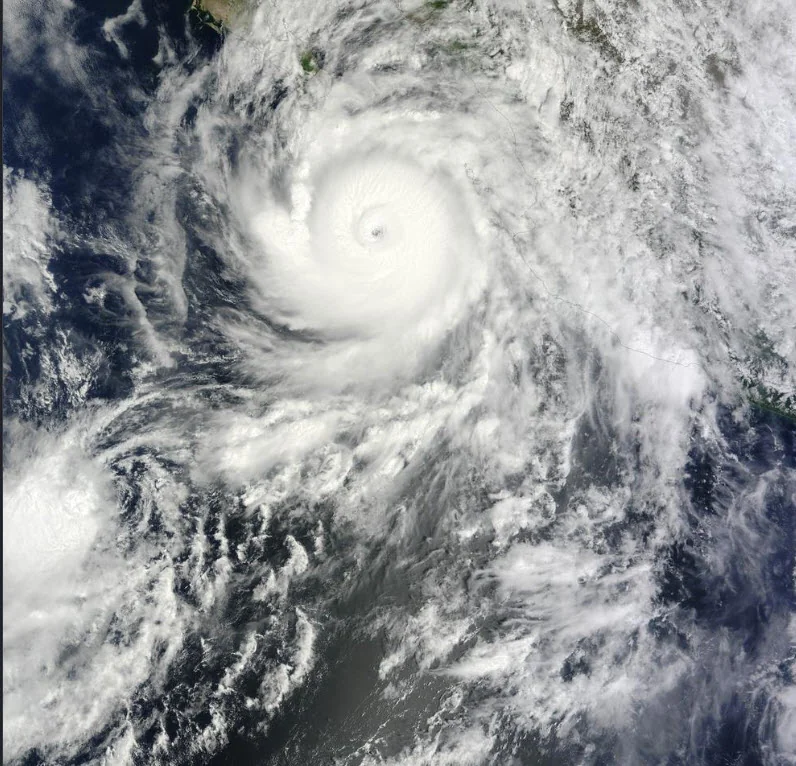
The National Hurricane Center (NHC) has designated Tropical Storm Dolly as the fourth named storm of the 2026 Atlantic hurricane season after the system strengthened over the central Atlantic Ocean. At its formation, Dolly had maximum sustained winds of 40 mph (65 km/h) and a minimum central pressure of 1007 millibars while moving rapidly westward at about 23 mph over open water. Forecasters expect the storm to remain well east of the Caribbean for the next several days as it continues across the Atlantic.
Current forecasts indicate Dolly will encounter increasing southwesterly wind shear and drier air before reaching the Leeward Islands, conditions that are expected to weaken the storm and likely cause it to degenerate into a tropical wave. Although significant strengthening is not anticipated, the system will continue to be monitored because even a weakening tropical system can produce periods of heavy rainfall and rough marine conditions.
The NHC said moisture associated with Dolly could bring 2 to 4 inches of rain, with locally higher amounts possible, across portions of the Leeward Islands, Virgin Islands, Puerto Rico and Hispaniola between August 29 and August 31. Forecasters cautioned that localized flash flooding and mudslides are possible in mountainous areas if heavier rain bands develop. Residents across the northeastern Caribbean are encouraged to monitor future forecasts as the system approaches.
The storm's name has also drawn attention because it follows the recent death of entertainer Dolly Parton, but meteorologists noted the timing is purely coincidental. Atlantic tropical cyclone names are established years in advance by the World Meteorological Organization and are reused on a rotating schedule unless a storm's name is permanently retired because of its historical impact.