Marine One Suffers Second Radio Failure With Air Traffic Control
Repeat communication outage renews scrutiny of White House flight safety
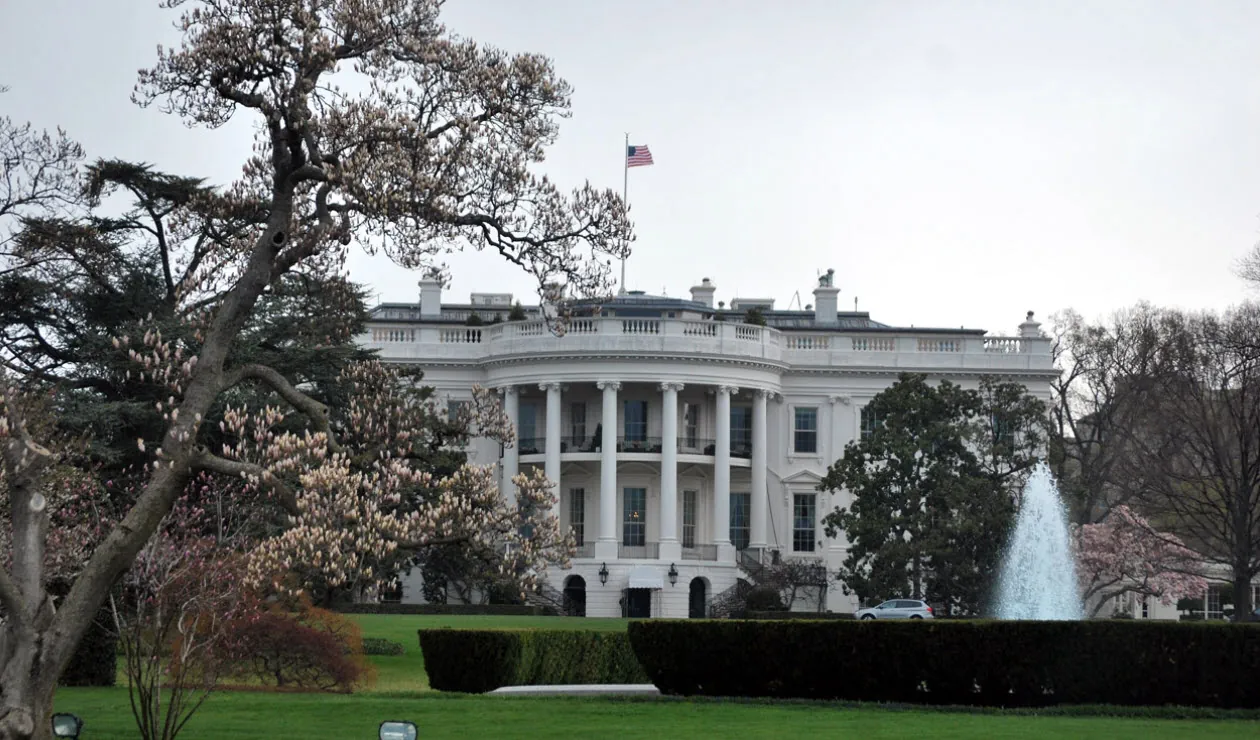
Marine One experienced another communications failure with air traffic controllers as President Trump prepared to depart the White House Ellipse on August 27, marking the second significant radio problem involving the presidential helicopter in less than a month. According to air traffic control recordings, pilots attempted to provide the required departure notification to controllers at Ronald Reagan Washington National Airport (DCA), but their transmissions were not received for several minutes. Controllers ultimately asked an accompanying military helicopter, using the call sign Nighthawk 8, to relay messages until an alternate communications link was established. The Federal Aviation Administration said the issue was resolved before takeoff, and the flight to Joint Base Andrews proceeded safely without incident.
The communications failure occurred less than an hour after the National Transportation Safety Board (NTSB) released its preliminary report on an August 4 near-miss involving Marine One and Envoy Air Flight 3742. Investigators said unreadable radio transmissions from the temporary Ellipse landing site contributed to controllers clearing the regional airliner for departure while the presidential helicopter was operating nearby. The aircraft came within approximately 0.82 nautical miles laterally and 700 feet vertically before standard separation was restored.
The latest incident raises additional questions because Transportation Secretary Sean Duffy had announced earlier this month that engineers had identified the source of the radio interference and implemented what he described as a permanent solution. The White House has been using the Ellipse as a temporary helicopter landing area while construction continues on the traditional South Lawn landing zone, requiring modified flight procedures and communications equipment.
Presidential helicopter movements require strict coordination because commercial arrivals and departures at Reagan National Airport are temporarily halted whenever Marine One operates in the surrounding airspace. Following the fatal January 29, 2025, midair collision near the airport that killed 67 people, federal aviation officials pledged heightened attention to safety procedures in the congested Washington airspace. The FAA and NTSB continue to examine whether additional technical or procedural changes are needed to prevent future communication failures.