Ex-White House Aide Fined $172K for Insider Prediction Trades
CFTC settles first major political event market case
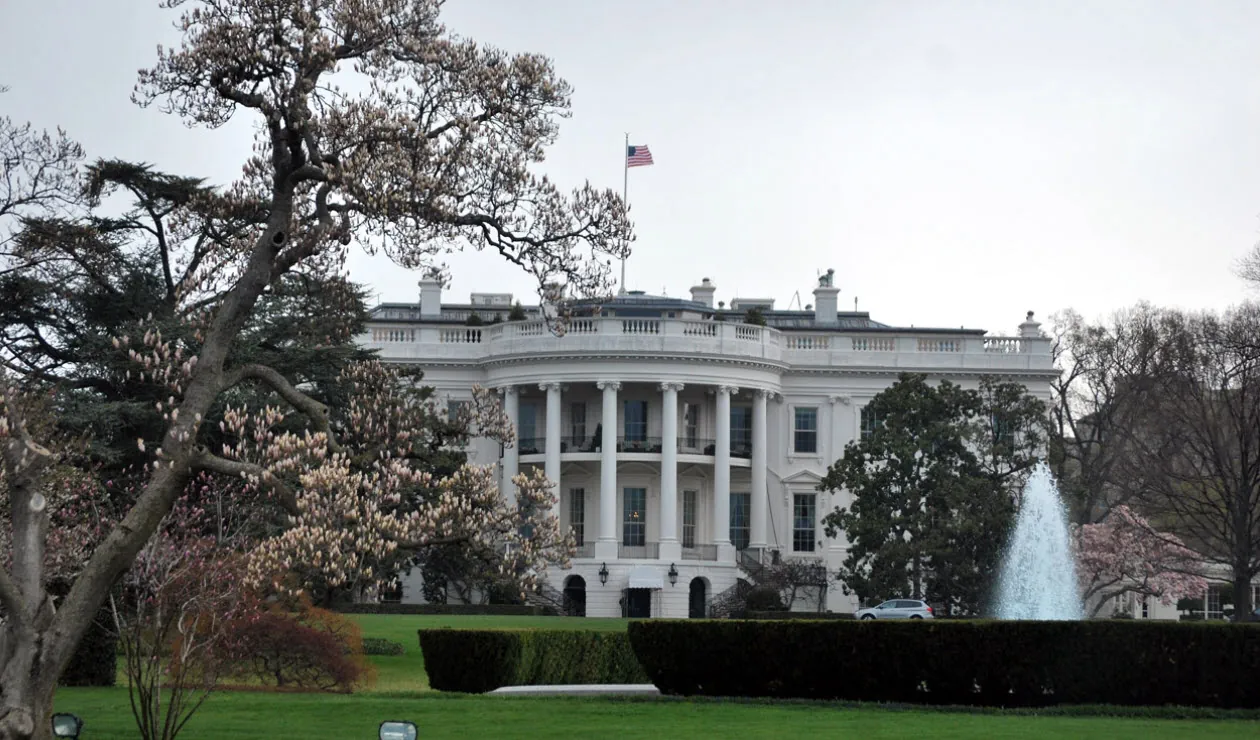
The Commodity Futures Trading Commission (CFTC) ordered former White House teleprompter operator Gabriel Perez to pay $172,539.02 and accept a three-year trading ban after concluding he improperly used confidential presidential speech drafts to profit from trades on the prediction market platform Kalshi. The settlement marks the agency's first major enforcement action involving insider trading tied to political event contracts.
According to the CFTC, Perez traded between December 2025 and February 2026 after gaining advance access to prepared presidential remarks, including speeches for the State of the Union address and the World Economic Forum in Davos. Investigators said he purchased and sold contracts tied to Kalshi's "mention markets," which pay out based on whether specific words or phrases are spoken during official speeches. The agency concluded Perez violated anti-fraud provisions of the Commodity Exchange Act by using material nonpublic information obtained through his government position.
Under the settlement, Perez agreed to surrender $107,539.02 in trading profits, pay a $65,000 civil monetary penalty and refrain from trading on regulated commodity and event contract markets for three years. The CFTC said the reduced civil penalty reflected Perez's cooperation during the investigation. Regulators said Kalshi's internal market surveillance detected unusual trading patterns, prompting the company to notify federal authorities and freeze more than $90,000 associated with the activity while the investigation proceeded.
The White House placed Perez on administrative leave after the investigation became public in July 2026, and administration officials later confirmed he is no longer employed by the federal government. The case establishes an early enforcement precedent as regulators and prediction market operators confront questions about insider trading, market integrity and the handling of nonpublic government information in rapidly expanding political event trading markets.