Judge blocks speech-based deportations of noncitizen students
First and Fifth Amendment violations found
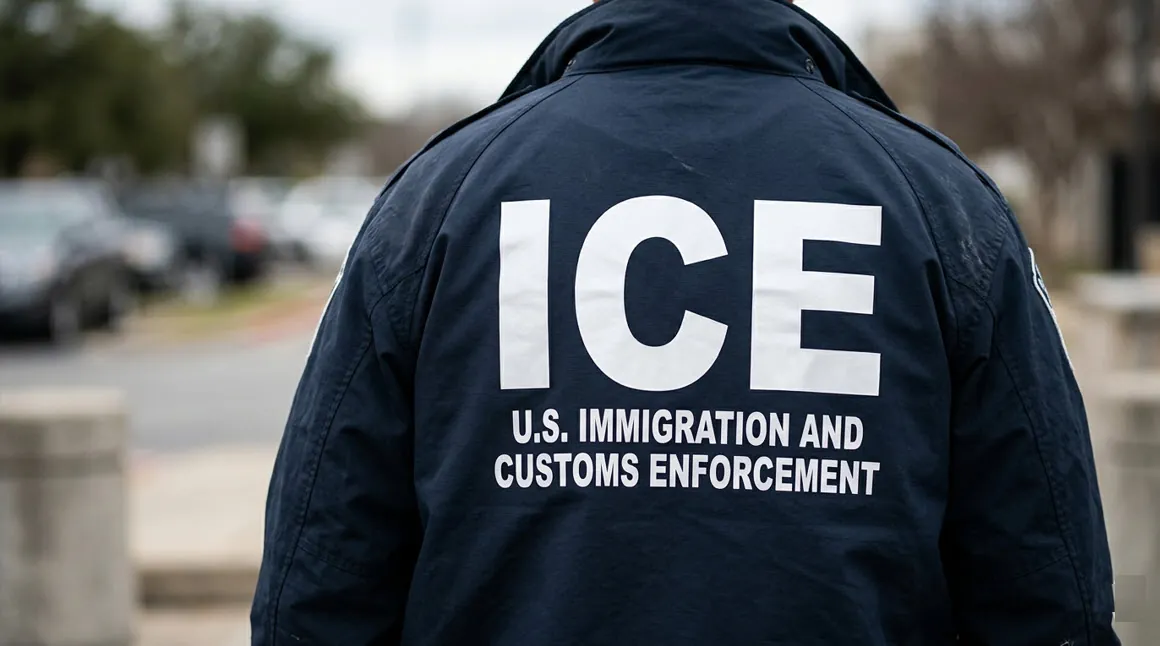
A federal judge in California has ruled that the Trump administration cannot use immigration law to revoke visas or pursue deportation of noncitizen students because of constitutionally protected political speech, including criticism of Israel's war in Gaza or expressions of support for Palestinians. U.S. District Judge Noël Wise ruled on August 28, 2026, that the government's use of immigration provisions against such speech violated protections under the First Amendment and Fifth Amendment.
The ruling came in a lawsuit brought by The Stanford Daily Publishing Corporation and a noncitizen student against Secretary of State Marco Rubio and the Department of Homeland Security. The case challenged the government's reliance on provisions of the Immigration and Nationality Act that allow the secretary of state to determine that a noncitizen's presence could have serious foreign-policy consequences and give broad authority to revoke visas. Wise found that using those provisions to punish lawful political expression created unconstitutional free-speech and vagueness problems.
The court found evidence that the government's enforcement campaign had already chilled speech. According to the ruling, lawfully present noncitizens working with The Stanford Daily had quit the newspaper, withheld articles, declined assignments, requested that published material be removed and sought anonymity because they feared visa revocation or deportation. Wise concluded that noncitizens lawfully present in the United States are protected by the First Amendment and cannot be forced to guess which political views might trigger immigration consequences.
The decision follows a September 2025 ruling by U.S. District Judge William G. Young in Boston, who found that the administration violated constitutional protections by targeting noncitizens for deportation over pro-Palestinian advocacy. Wise's ruling does not prevent the government from deporting noncitizens on other lawful immigration grounds; it restricts the use of protected speech as the basis for immigration punishment. The Justice Department had not publicly responded to the ruling as of Saturday.