ICE Expands Third-Country Deportations Across Africa
Leaked Records Detail More Than 100 Transfers
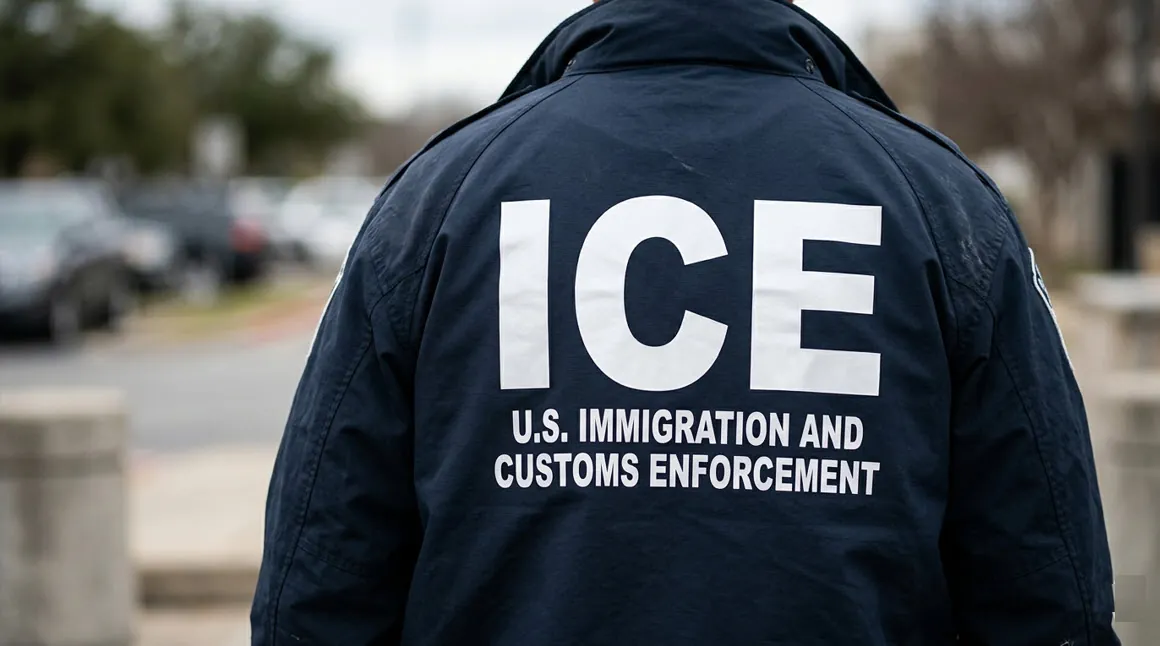
Internal U.S. government documents obtained by CBS News indicate that U.S. Immigration and Customs Enforcement (ICE) deported more than 100 noncitizens to eight African countries during a 10-day period in late August 2026, significantly expanding the Trump administration's third-country deportation program. The records show three charter flights transported deportees to Burundi, Cameroon, the Central African Republic, Equatorial Guinea, Eswatini, Liberia, Rwanda, and Sierra Leone, even though none of the deportees were citizens of those countries.
According to the documents, those removed included people from Afghanistan, Cuba, Iran, Nepal, Nicaragua, Turkey, Venezuela, and several African nations whose citizens were sent to unfamiliar destinations elsewhere on the continent. Department of Homeland Security officials said U.S. law requires the government to identify a safe third country when some migrants cannot be returned to their home countries because of diplomatic barriers or legal circumstances. The State Department declined to discuss the authenticity of the leaked documents or private diplomatic agreements with foreign governments.
The disclosures illustrate the administration's expanding network of third-country deportation agreements, which now includes more than 30 countries worldwide. While earlier arrangements relied heavily on partners in Latin America, recent agreements have increasingly involved African nations. Human rights organizations and immigration attorneys argue some deportees were transferred to countries with active conflict or poor human rights records, including the Central African Republic, which remains under a U.S. State Department Level 4: Do Not Travel advisory.
The policy continues to face legal scrutiny in federal court. Attorneys representing several deportees argue some individuals had withholding of removal protections or other legal claims that should have prevented transfer to unfamiliar countries without additional notice or hearings. The administration maintains the deportations comply with existing immigration law and international agreements while continuing to pursue broader removal partnerships overseas.