White House releases details of Venezuela oil partnership
Administration outlines Pentagon stake and long-term supply agreement
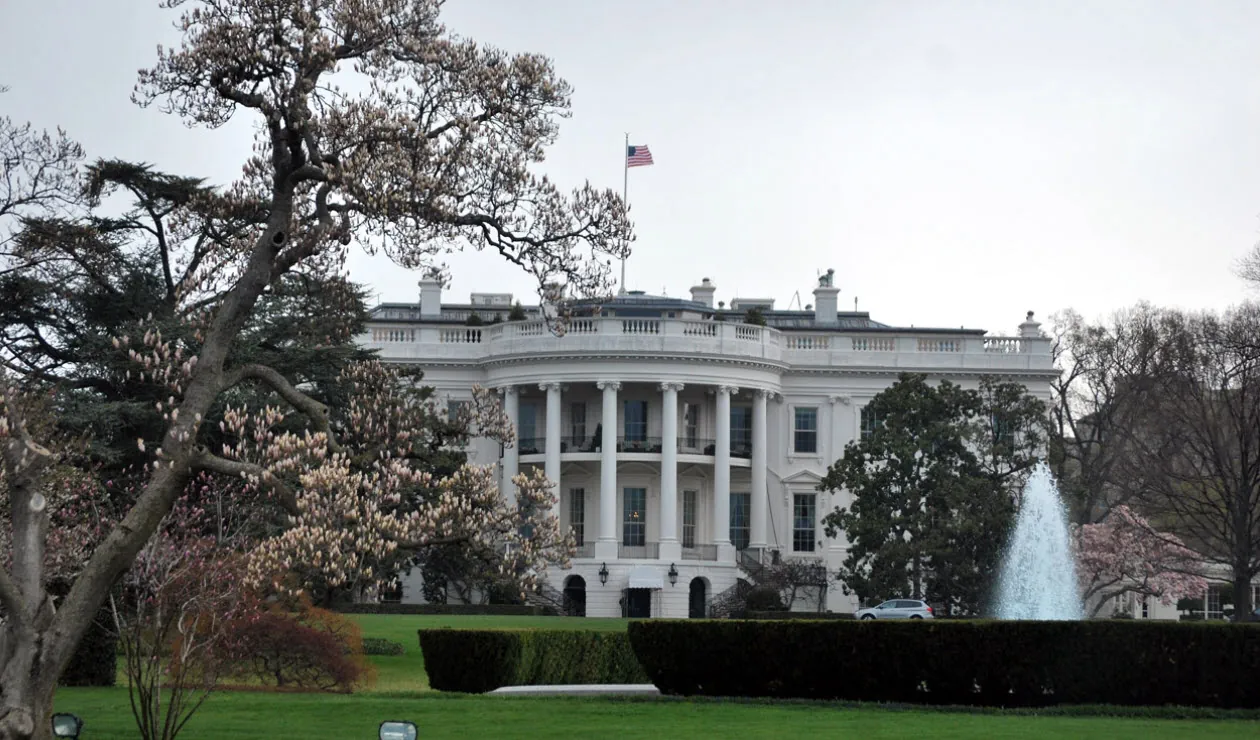
The White House released additional details on August 31, 2026, describing the structure of the Trump administration's energy agreement with Venezuela and private developer North American Blue Energy Partners (NABEP). According to the administration, the venture covers 17 oil fields containing an estimated 65 billion barrels of proven reserves and is intended to restore production while expanding long-term energy cooperation between the two countries.
Under the plan, the Department of Defense's Office of Strategic Capital would receive a 35% equity stake in the joint venture, while the U.S. Department of State would receive the right to purchase up to 20% of oil production at extraction cost along with a right of first refusal on remaining output. NABEP, led by Alejandro Betancourt, said it plans to invest as much as $100 billion in infrastructure to increase production from roughly 200,000 barrels per day to more than 1 million barrels per day over time. The administration said the agreement would operate without direct taxpayer funding.
The White House said the arrangement establishes a 100-year concession governed under U.S. commercial law, with American-majority corporate governance and financial oversight provisions. Administration officials described the agreement as part of a broader strategy to strengthen Western Hemisphere energy security, reduce reliance on geopolitical rivals, and create long-term economic benefits for both countries. Venezuelan officials said the project is expected to generate substantial tax and royalty revenue over the life of the concession.
Energy analysts cautioned that significant technical and financial challenges remain before production can reach the administration's stated goals. Much of the infrastructure within Venezuela's Orinoco Belt has deteriorated after years of underinvestment and sanctions, meaning extensive rehabilitation would be required before output could increase substantially. Industry observers said timelines, financing, regulatory approvals, and security conditions will ultimately determine whether the venture achieves its production targets.