U.S. Expands Iran Strikes to Oil Tankers
Tehran Retaliates Across Gulf as Conflict Escalates
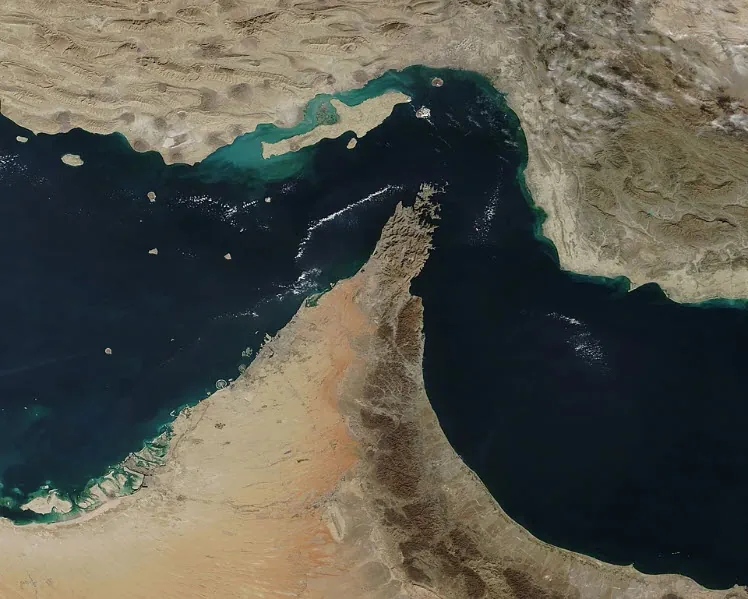
The United States expanded its military campaign against Iran on Sept. 1, launching a new wave of strikes against Islamic Revolutionary Guard Corps (IRGC) targets and, for the first time, attacking two Iranian government oil tankers. U.S. Central Command (CENTCOM) said American forces targeted air defense systems, radar sites, maritime assets, mine-laying capabilities and communications infrastructure after accusing Iran of threatening commercial shipping and U.S. forces around the Strait of Hormuz. U.S. officials said the tanker strikes were part of a new retaliatory strategy aimed at deterring future attacks on international shipping.
Iran responded with missile and drone attacks targeting locations associated with U.S. forces across the region. Regional militaries reported intercepting multiple projectiles aimed at Jordan, while Bahrain said it shot down drones directed toward the island nation. U.S. officials also reported attempted attacks involving Kuwait and other regional bases, saying no American casualties were immediately reported. President Trump warned that additional Iranian attacks would trigger a stronger U.S. military response.
Iranian officials also reported civilian casualties from one of the U.S. strikes, saying an attack hit a wedding gathering in Kuhestak in Hormozgan Province, killing five people and injuring dozens more. CENTCOM said it was reviewing those claims and reiterated that U.S. forces do not intentionally target civilians, emphasizing that the operation was directed at military objectives.
The renewed fighting pushed global energy markets higher as investors weighed the risk of further disruption to shipping through the Strait of Hormuz, one of the world's most important oil transit routes. Brent crude briefly traded above $90 per barrel before remaining elevated as markets monitored the expanding conflict. The latest exchange marked one of the most significant escalations in weeks, raising concerns that continued military action could further affect regional security, commercial shipping and global energy supplies.