Congress Sends Funding Bill to Trump
Shutdown Averted Through Dec. 11
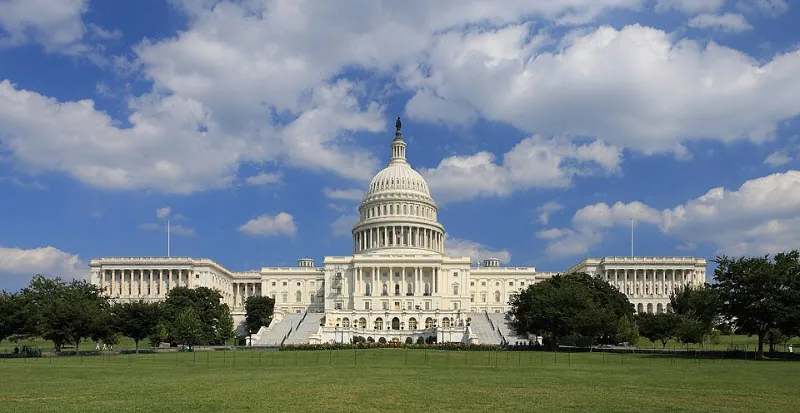
The U.S. House of Representatives approved a bipartisan continuing resolution on Sept. 1, sending legislation to President Trump that would keep the federal government funded through Dec. 11, 2026, avoiding a partial government shutdown when current funding expires on Sept. 30. The measure passed the House by a 370-48 vote after previously clearing the U.S. Senate by 90-6, giving lawmakers additional time to negotiate full-year appropriations following the Nov. 3 midterm elections.
The continuing resolution largely extends current discretionary funding levels, allowing federal agencies to continue normal operations while Congress works to complete fiscal year 2027 spending legislation. Without the measure, many government agencies would have faced funding lapses that could have resulted in employee furloughs, disruptions to public services and delayed payments for some federal workers. Congressional leaders from both parties said preventing a shutdown before the election was a priority despite ongoing disagreements over long-term spending.
Beyond temporary funding, the legislation extends several federal technology and cybersecurity programs through Dec. 11, including the Technology Modernization Fund (TMF), the Cybersecurity Information Sharing Act of 2015, and the Federal Cybersecurity Enhancement Act. Lawmakers also retained Senate-approved language delaying implementation of a proposed Office of Management and Budget (OMB) rule that would have expanded the authority of political appointees over certain federal grant decisions while broader policy debates continue.
The bill now heads to President Trump, who is expected to sign it before current funding expires. While the legislation removes the immediate risk of a government shutdown, it sets up another budget deadline in December, when Congress must either approve full-year appropriations, adopt another temporary funding measure or face the possibility of another funding lapse. The short-term agreement gives lawmakers additional time to negotiate spending priorities while maintaining continuity across federal agencies.