Treasury Yields Jump as Oil Prices Climb
Bond Sell-Off Raises Borrowing Costs
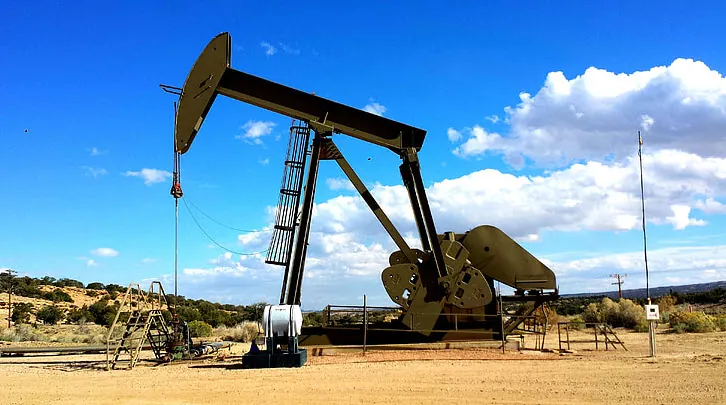
U.S. Treasury yields climbed to their highest levels in more than a year on Sept. 1 as rising oil prices and renewed inflation concerns triggered a broad sell-off in government bonds around the world. The benchmark 10-year U.S. Treasury yield rose to approximately 4.79%, while the 2-year Treasury yield reached about 4.39%, reflecting growing expectations that interest rates could remain elevated for longer. The higher yields weighed on financial markets, with the S&P 500, Dow Jones Industrial Average, and Nasdaq Composite all closing lower.
Market pressure intensified as renewed fighting in the Middle East contributed to higher energy prices, pushing Brent crude toward $95 per barrel. Higher oil prices renewed concerns that inflation could remain stubborn, leading investors to reduce holdings of government bonds and demand higher yields. Rising Treasury yields also flowed through to consumer borrowing, with the average 30-year fixed mortgage rate climbing to about 6.77%, increasing financing costs for prospective homebuyers and businesses.
The bond sell-off extended beyond the United States. Government bond yields also rose in Japan, Germany, and the United Kingdom, reflecting a broader reassessment of global interest rate expectations. Investors are increasingly focused on the Federal Reserve's policy meeting scheduled for Sept. 15-16, where officials will evaluate inflation, labor market conditions and economic growth before deciding whether to adjust interest rates. According to the CME Group FedWatch Tool, futures markets have increased the implied likelihood of a 25-basis-point rate increase compared with the previous week.
Higher Treasury yields generally increase borrowing costs across the economy because they influence interest rates on mortgages, business loans and other forms of credit. Investors will continue watching developments in global energy markets, inflation data and upcoming Federal Reserve communications for signs of whether borrowing costs are likely to remain elevated through the end of the year.