Edouard Weakens Over Texas
Flooding Remains Major Threat After Landfall
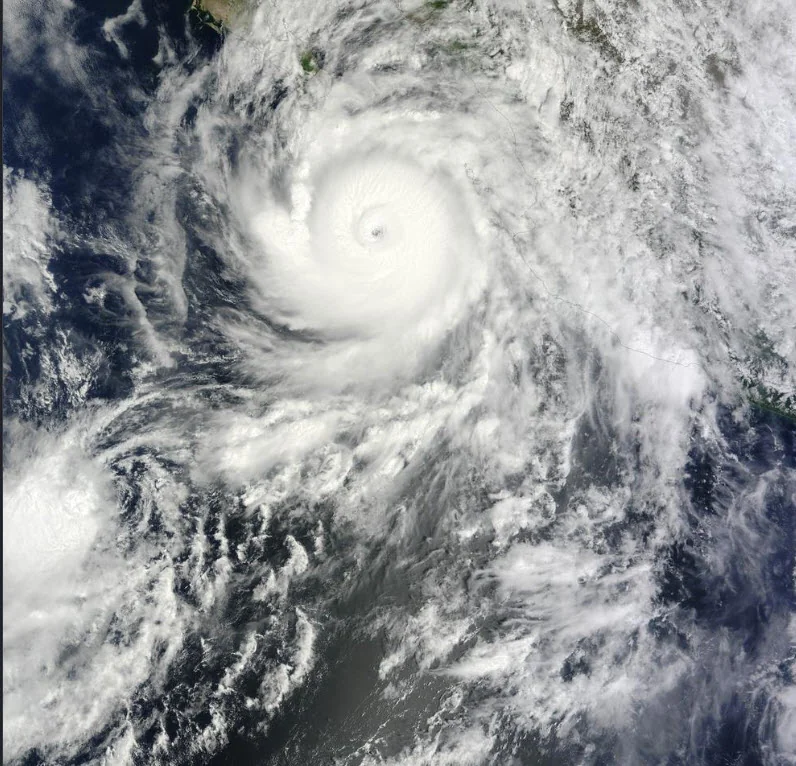
Tropical Depression Edouard continued moving inland across Texas on Sept. 2 after making landfall along the Gulf Coast as a tropical storm, leaving tens of thousands of utility customers without electricity while shifting the primary threat from damaging winds to heavy rainfall and flash flooding. The National Hurricane Center said the system weakened after coming ashore but warned that dangerous flooding could continue as the storm moved farther inland.
Utilities reported more than 70,000 customers without power across southeast Texas as crews worked to restore service amid saturated ground and lingering rain bands. Several school districts across the region canceled or delayed classes because of weather conditions, while emergency officials monitored flooded roads and low-lying communities. State and local agencies urged residents to avoid driving through floodwaters as rain continued across portions of east-central and southeast Texas.
The National Hurricane Center forecast an additional 3 to 7 inches of rainfall across parts of eastern Texas, with isolated areas potentially receiving up to 12 inches. Forecasters warned that slow-moving rain bands could trigger flash flooding in urban areas and cause rivers and streams to rise above flood stage. Texas Division of Emergency Management personnel remained deployed to support local officials, and flood watches continued across portions of the state as emergency responders prepared for possible water rescues.
Although Edouard's winds weakened after landfall, meteorologists emphasized that inland flooding often poses the greatest danger from tropical systems after they move ashore. Emergency officials urged residents to continue monitoring forecasts, follow evacuation or safety instructions if issued, and remain alert for rapidly changing conditions as the remnants of the storm move farther inland.