Chevron commits $7 billion to expand Venezuela oil production
Company aims to double output over five years
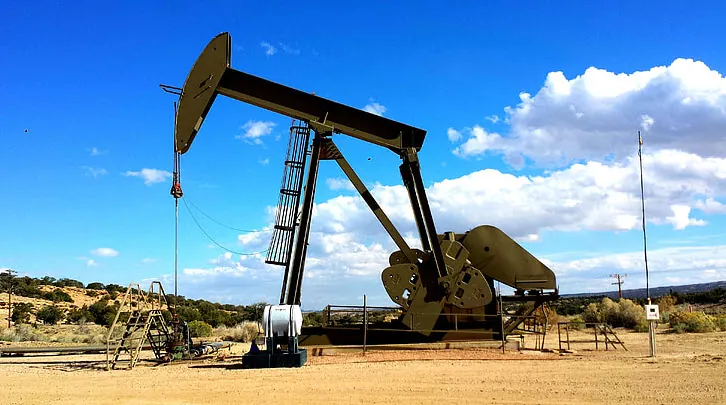
Chevron announced plans to invest more than $7 billion over the next five years to significantly expand oil production in Venezuela, with the company targeting output of approximately 600,000 barrels per day from its joint ventures in the country. The agreement was finalized in Caracas on September 2 under updated operating and commercial terms intended to increase investment in Venezuela's energy sector after recent changes in U.S. policy.
The expansion centers on the Carabobo-1 and Carabobo-2 South-A areas within Venezuela's Orinoco Belt, one of the world's largest heavy crude reserves. Chevron will develop the projects through Petroindependencia S.A., a joint venture in which the company holds a 49% ownership stake. Company officials said the investment is expected to restore production from existing infrastructure while supporting new drilling and field development over several years.
Chevron's announcement follows recent agreements between the United States and Venezuela that reopened opportunities for American energy companies to expand operations in the country after years of sanctions and production restrictions. Venezuela produced roughly 1 million barrels of oil per day in 2025, well below levels seen before years of economic turmoil, underinvestment, and sanctions reduced output. Industry analysts say increasing production from the new projects could help provide additional heavy crude supplies to refineries along the U.S. Gulf Coast, although the full production target is expected to take several years to achieve.
Chevron said the projects are expected to maintain production costs below $20 per barrel, making them competitive with many other large oil developments. While the investment represents one of the largest foreign commitments to Venezuela's energy industry in recent years, analysts note that consumers are unlikely to see any immediate impact on gasoline prices because production increases will occur gradually as infrastructure is expanded and new wells are brought online.