House passes bill targeting university boycotts of Israel
Measure clears 237–169 and heads to Senate
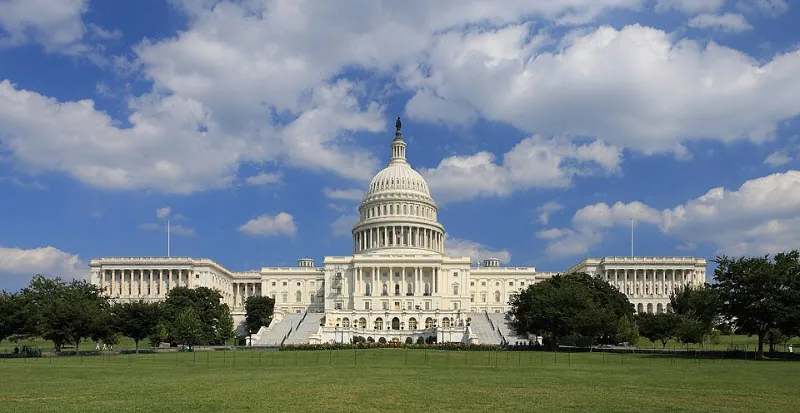
The U.S. House of Representatives passed legislation on September 3 that could make colleges and universities participating in certain commercial boycotts of Israel ineligible for federal student-aid programs. The Protect Economic and Academic Freedom Act of 2026, or H.R. 4795, passed 237–169, with 203 Republicans, 33 Democrats and one independent voting in favor. Two Republicans joined 167 Democrats in opposition.
The bill, sponsored by Republican Rep. Virginia Foxx of North Carolina and co-sponsored by Democratic Rep. Josh Gottheimer of New Jersey, would amend the Higher Education Act of 1965. Institutions participating in federal student-aid programs would be required to refrain from what the legislation calls a “nonexpressive commercial boycott” of Israel or entities organized, licensed or regulated under Israeli law unless the decision is supported by a valid business reason. Violations of those participation agreements could make an institution ineligible for programs including Pell Grants and federal student loans.
The legislation also addresses academic exchanges. Colleges receiving or seeking certain federal international-education and foreign-language funding would have to certify annually that students and faculty can participate in academic programs in Israel on comparable terms to programs in other countries. They would also have to provide students and faculty from Israeli institutions comparable access to their programs. The Congressional Budget Office said it expects colleges to comply with the requirements and therefore does not anticipate the legislation changing institutional eligibility for Education Department funding overall.
Supporters say taxpayer-supported universities should not discriminate against Israeli businesses, universities, students or faculty and argue that anti-Israel boycott campaigns have contributed to antisemitism on campuses. Opponents, including lawmakers who themselves oppose the broader Boycott, Divestment and Sanctions movement, argue that conditioning federal funding on institutional boycott decisions raises First Amendment and academic-freedom concerns. The legislation now moves to the Senate, where it would also need approval before reaching President Trump.