Guyana receives first U.S. third-country deportees
Six Cubans and Afghans arrive under temporary migration agreement
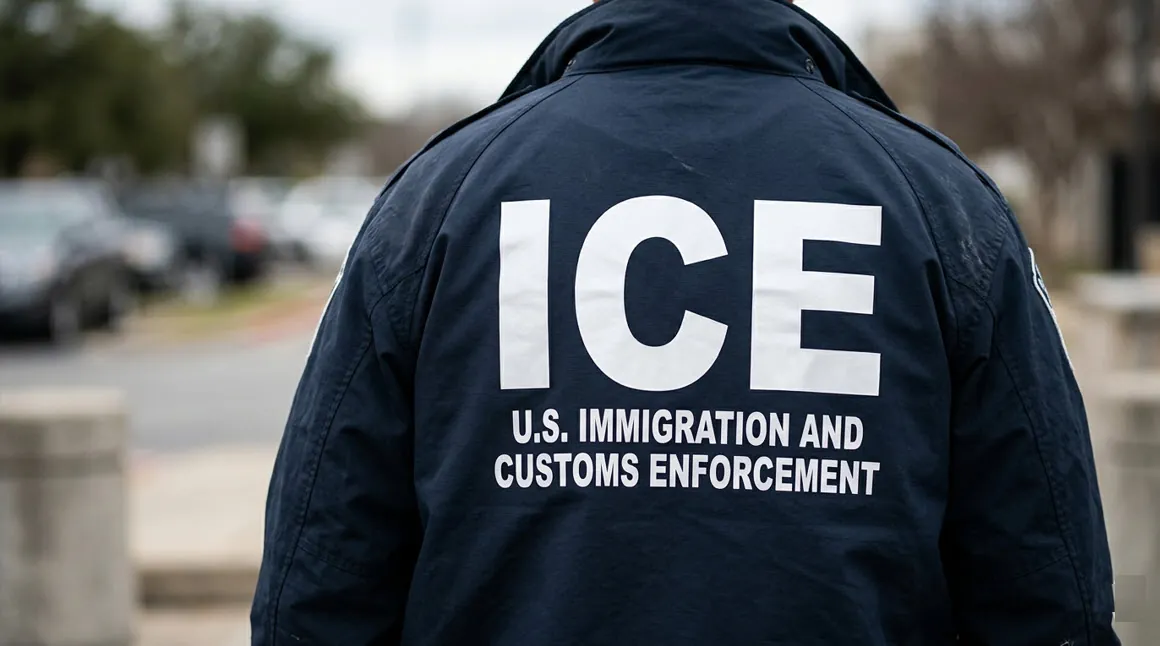
Guyana has received six Cuban and Afghan nationals deported from the United States, becoming the latest country to participate in the Trump administration's expanding use of third-country deportations. Guyanese Foreign Secretary Robert Persaud said the six arrived on September 4 after being vetted by his government and found to have no criminal backgrounds. He said they were removed from the United States primarily over immigration issues.
The arrivals follow months of negotiations between the United States and Guyana. Under the resulting migration cooperation framework, Guyana can review and reject individuals proposed for relocation and says it intends to accept only people who voluntarily choose relocation there. The arrangement will operate for one year and does not provide permanent resettlement. Persaud said the United States had made no additional requests for transfers as of September 5.
The International Organization for Migration, the United Nations migration agency, will administer the Assisted Voluntary Return Programme used for the arrivals. The organization will cover costs associated with receiving, housing and supporting the relocated individuals, while Guyana says its government will not bear those expenses. The migrants will remain in Guyana while their immigration status is determined and may ultimately return to their countries of origin or relocate elsewhere. Guyana also says individuals must retain access to international protection when applicable, with cases potentially referred to the United Nations High Commissioner for Refugees.
Guyana is a founding member of the 15-nation Caribbean Community, or CARICOM, and joins Belize and St. Kitts and Nevis among Caribbean countries that have received small groups of U.S. deportees under similar arrangements. St. Lucia was also expected to receive a group. The transfers are part of a broader U.S. strategy of sending some people to countries other than their nations of citizenship when direct repatriation is difficult. The administration says third-country removals are a lawful immigration-enforcement tool, while human-rights organizations have raised concerns about whether some transfers provide adequate protections against persecution or other harm.