Canada hits $20B in U.S. goods with tariffs up to 50%
New duties deepen cross-border trade fight
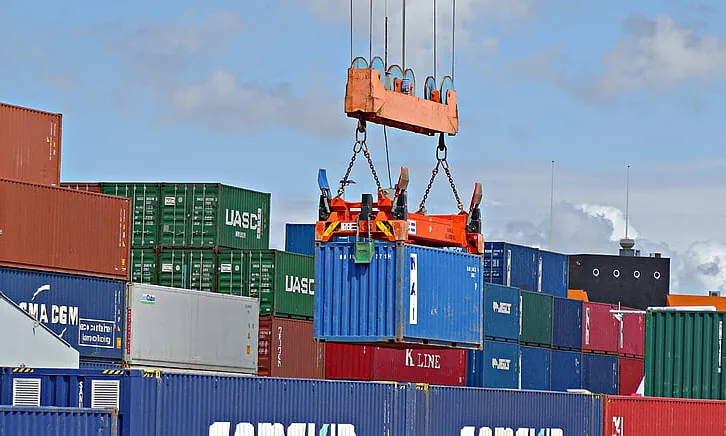
Canada imposed retaliatory tariffs Tuesday on about $20 billion worth of goods imported from the United States, escalating the trade dispute between the neighboring countries after negotiations collapsed last month. The measures took effect at 12:01 a.m. on September 8 and apply tariffs of 15%, 25% or 50% to a broad range of American products.
The Canadian government values the affected imports at C$27.6 billion and says the measures are designed to match recent U.S. tariffs dollar for dollar, with individual rates corresponding to U.S. duties on similar goods. The counter-tariffs target sectors including steel and aluminum, dairy, appliances, agricultural equipment, pulp and paper, plastics and electronics. Products facing the highest rates include some steel and aluminum goods, furniture, clothing and apparel, while appliances and dairy products such as cheese are among goods subject to 25% tariffs. U.S. goods already in transit to Canada when the measures took effect are exempt.
The tariffs respond to U.S. duties that took effect August 22 on approximately $20 billion in Canadian goods after bilateral negotiations failed to produce an agreement. Prime Minister Mark Carney's government has said the concessions sought by Washington were not economically acceptable and would harm Canadian workers and industries. President Trump has defended the U.S. tariff strategy while threatening additional trade measures as tensions between the longtime trading partners have grown.
Canada is also rolling out C$7.5 billion in new and expanded support for workers and businesses affected by U.S. tariffs, on top of nearly C$25 billion in previously announced assistance. The new package includes additional help for small and medium-sized businesses, financing and liquidity programs, worker support and funding intended to help Canadian companies diversify into markets outside the United States. Existing Canadian counter-tariffs on products including U.S. automobiles also remain in effect.
The latest measures add costs and uncertainty to a deeply integrated trading relationship spanning manufacturing, agriculture, energy and consumer goods, with businesses on both sides of the border relying on cross-border supply chains.