Doctors report immigration enforcement fears are keeping children from medical care
Missed appointments and delayed treatment raise health concerns
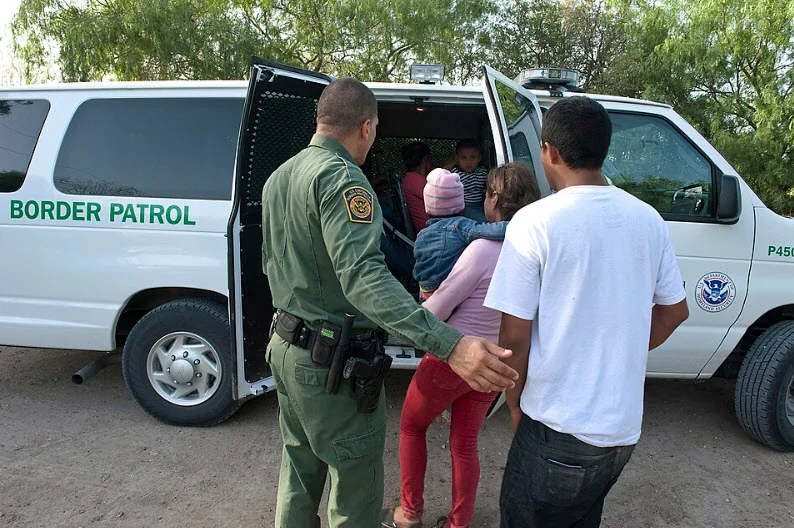
Doctors and health workers across the United States say fear surrounding increased federal immigration enforcement is causing some immigrant families to postpone or avoid medical care for their children, with researchers documenting sharp increases in missed pediatric appointments in communities affected by enforcement operations.
A study published in Pediatrics examined appointments at two Children's Minnesota pediatric practices during Operation Metro Surge, a large federal immigration enforcement operation in the Minneapolis-St. Paul area. Researchers analyzed 15,611 appointments during the enforcement period against 113,934 appointments in the pre-enforcement comparison data. Missed appointments among Hispanic or Latino children increased 51%, from 21% to 31%, compared with the same periods in the previous two years. Among Spanish-speaking families, missed appointments increased 80%, while requests to reschedule well-child visits also rose 51%.
Pediatric specialists told Stateline they have seen families delay surgeries, treatment for infections and other necessary care because parents were afraid to travel to hospitals or encounter immigration officers. Dr. Asitha Jayawardena, a pediatric head and neck surgeon at Children's Minnesota and an author of the study, described cases in which delays allowed medical problems to become more serious.
The concerns extend beyond Minnesota. A 2025 survey of 691 health care workers in 30 states by Physicians for Human Rights and the Migrant Clinicians Network found that 84% reported moderate or significant decreases in patient visits following immigration-related executive orders issued in January 2025. Respondents said preventive services, chronic disease management and mental health care were among the areas affected.
The federal government in 2025 also rescinded earlier guidance that generally discouraged immigration enforcement in so-called protected areas such as hospitals, schools and places of worship. Federal officials said immigration officers should be trusted to use appropriate judgment when carrying out enforcement actions.
Researchers caution that the Minnesota findings measure changes associated with the enforcement period and do not establish that every missed appointment resulted from immigration fears. Still, clinicians say delayed preventive and emergency care can have lasting consequences for children, including U.S. citizens living in mixed-status families.