U.S. escalates Canada trade fight from tariffs to outright bans
Alcohol, dairy products and motorcycles blocked starting Sept. 29
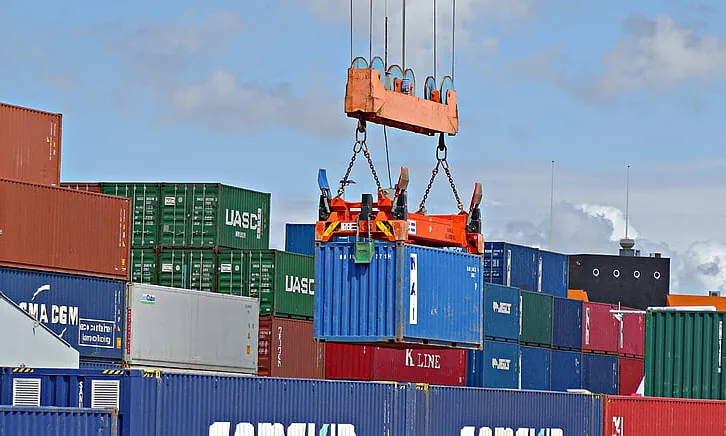
The United States is escalating its trade dispute with Canada beyond tariffs, banning imports of certain Canadian alcoholic beverages, dairy products and motorcycles beginning September 29, 2026. Unlike the 50% tariffs imposed on various Canadian goods in earlier trade actions, products covered by the new restrictions will be barred from importation into the United States rather than simply entering with a higher duty.
President Trump signed five proclamations on September 8 invoking Section 338 of the Tariff Act of 1930, according to the White House. The restrictions take effect at 12:01 a.m. ET on September 29 and cover most Canadian alcoholic beverages, several whey products, molasses and certain motorcycles. Products covered by the bans that entered the United States before the effective date but have not yet cleared customs will remain subject to previously imposed 50% tariffs.
The administration says the measures respond to what it considers discriminatory Canadian treatment of American exports. The White House specifically cited Canadian restrictions on sales of U.S. alcoholic beverages, dairy tariff-rate quotas and policies affecting American motor vehicles. Trump also modified the list of Canadian goods subject to the existing 50% duties, while some products were removed from those tariffs.
Canada's latest retaliatory tariffs took effect September 8 and range from 15% to 50% on roughly $20 billion in U.S. goods. Products affected include steel, dairy products, paper, auto parts and other manufactured and agricultural goods. The Canadian measures followed earlier U.S. trade actions and stalled negotiations between the two countries.
The new import bans add another layer to a dispute between two economies with deeply integrated supply chains. Canada sends more than 70% of its exports to the United States, while businesses and consumers on both sides of the border depend heavily on cross-border trade in food, manufacturing materials and finished goods.