House votes 220-204 to limit Trump's Iran war powers
Seven Republicans join Democrats in third such vote
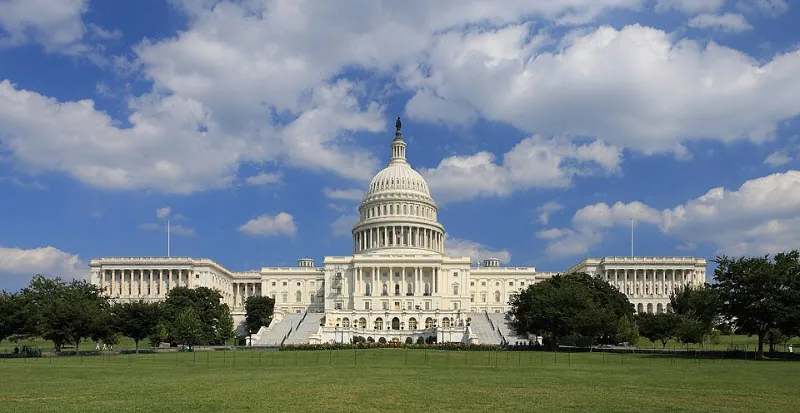
The U.S. House of Representatives voted 220-204 on September 15 to direct President Trump to remove U.S. forces from hostilities with Iran, marking the third time the chamber has approved a war powers measure seeking to restrict continued military action without congressional authorization. All voting Democrats and seven Republicans supported the resolution.
The measure, introduced by Democratic Rep. Seth Moulton of Massachusetts, directs the president to remove U.S. armed forces from hostilities with Iran. The seven Republicans voting with Democrats were Tom Barrett of Michigan, Warren Davidson of Ohio, Brian Fitzpatrick of Pennsylvania, Nancy Mace of South Carolina, Mariannette Miller-Meeks and Zach Nunn of Iowa, and Thomas Massie of Kentucky. The latest vote attracted three more Republican supporters than earlier House efforts.
The vote comes more than six months after President Trump announced major U.S. combat operations against Iran on February 28. The administration has defended its military strategy and argues that its actions are lawful and necessary to counter threats from Iran. Supporters of the war powers resolution argue that prolonged military operations require explicit congressional authorization under Congress's constitutional war-making authority and the War Powers Resolution of 1973.
The congressional dispute is unfolding as the financial cost of the conflict grows. The Congressional Budget Office estimated that U.S. military operations against Iran directly cost approximately $38 billion between February 28 and August 1, with continued operations potentially costing another $2 billion to $3 billion per month. Disruptions to oil shipments from the region have also contributed to higher energy prices.
The resolution does not immediately end U.S. military operations. It is unclear whether the Senate will take up the latest House measure before lawmakers leave Washington ahead of the November elections. Earlier congressional efforts to restrict the war have not resulted in an enforceable end to U.S. operations, and the administration has opposed attempts to limit the president's authority.