New 50% Canada tariffs take effect in U.S.
Import bans on some Canadian goods follow September 29
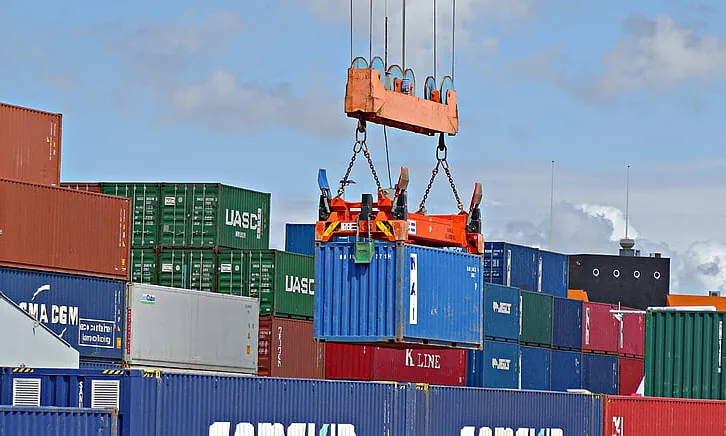
New 50% U.S. tariffs on additional Canadian products are now in effect as the trade dispute between the United States and Canada expands beyond the measures imposed earlier this summer. The revised tariff lists took effect at 12:01 a.m. ET on September 15, while outright U.S. import bans covering certain Canadian products are scheduled to begin September 29.
President Trump signed five proclamations on September 8 under Section 338 of the Tariff Act of 1930 after Canada imposed retaliatory tariffs on about $20 billion of U.S. exports. The administration changed which Canadian products face the additional 50% duty, removing some products, including cement and rock salt, while adding others, including all-terrain vehicles and additional dairy products. The White House says the Section 338 tariffs apply to covered goods even when they qualify as originating goods under the U.S.-Mexico-Canada Agreement, and can apply in addition to certain other U.S. tariffs.
The next phase begins September 29, when the United States is scheduled to prohibit imports of specified Canadian products that had previously faced the 50% duties. The administration's proclamations cover products connected to disputes over Canadian policies involving alcoholic beverages, dairy products and motor vehicles. Goods covered by the bans that entered the United States before September 29 but have not yet been entered for consumption will remain subject to the 50% tariff rather than the prohibition.
The measures follow months of deteriorating trade relations between the neighboring countries. Canada imposed its latest counter-tariffs after bilateral negotiations broke down, while the Trump administration says its actions are intended to counter what it describes as discriminatory Canadian trade practices. Canadian Prime Minister Mark Carney has indicated Canada remains open to negotiations while pursuing greater diversification of its international trade relationships.
The United States and Canada have deeply integrated supply chains, particularly in manufacturing, agriculture and energy, meaning changes in tariffs and import rules can affect companies operating on both sides of the border.