House passes sweeping Russia sanctions bill
Measure allows tariffs up to 100% on major Russian oil buyers
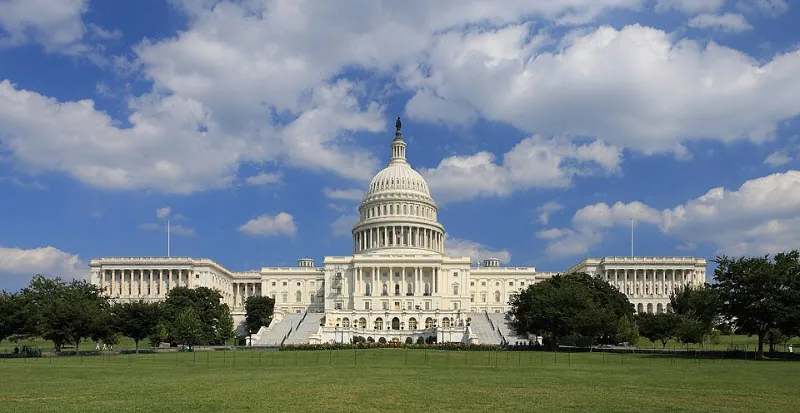
The U.S. House of Representatives passed a sweeping sanctions package targeting Russia on September 16, sending the legislation to President Trump after months of congressional debate. The House approved the measure 262–159, following an 86–11 Senate vote last month, putting the bill one presidential signature away from becoming law.
The legislation, named the Lindsey O. Graham Sanctioning Russia and Iran Act of 2026 after the late South Carolina senator who helped develop it, targets Russian officials, banks, energy projects and defense industries. It also expands sanctions against Russia's so-called shadow fleet of older and reflagged oil tankers used to move Russian energy while circumventing existing restrictions.
One of the bill's most consequential provisions directs the president to impose tariffs of up to 100% on major countries that continue purchasing Russian oil or natural gas. The measure is particularly aimed at large Russian energy customers such as China and India, though it provides exceptions for certain countries that import relatively small portions of Russia's natural gas exports and have taken significant steps to reduce their dependence on Russian energy.
Supporters say the legislation is designed to reduce the revenue available to Russia for its war against Ukraine and increase economic pressure on Moscow to negotiate. Critics raised concerns about expanding presidential tariff authority and the possibility that tariffs could affect U.S. allies or increase prices for American consumers. The House vote crossed party lines, with 58 Democrats joining 203 Republicans in supporting the bill, while seven Republicans joined Democrats voting against it.
The legislation also extends certain sanctions involving Iran and allows the White House to waive some sanctions or restrictions when the president certifies to Congress that doing so is in the national interest. Ukrainian President Volodymyr Zelenskyy had urged Congress to approve the package as Ukraine continues its war with Russia.