President Trump signs sweeping Russia sanctions law
Measure targets Moscow and allows tariffs up to 100% on major energy buyers
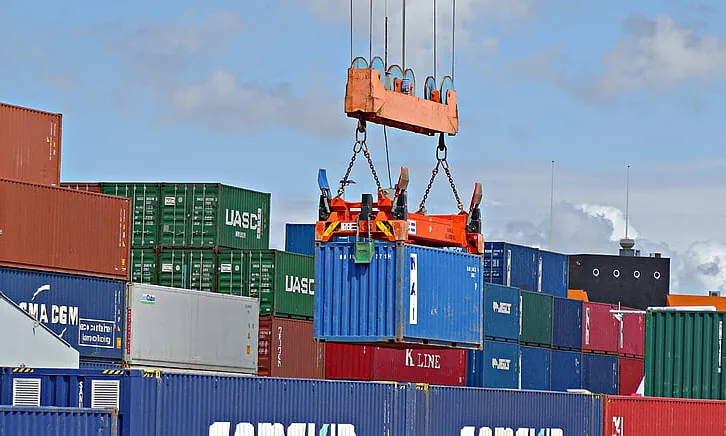
President Trump signed a sweeping Russia sanctions bill into law on September 18, expanding U.S. economic pressure on Moscow over its war in Ukraine and giving the president authority to impose tariffs of up to 100% on the largest purchasers of Russian oil and natural gas. The legislation also targets Russian officials, banks, financial institutions, oligarchs and vessels used to move Russian energy exports.
The Lindsey O. Graham Sanctioning Russia and Iran Act of 2026 passed the Senate 86-11 in August and cleared the House 262-159 this week. The measure was developed through negotiations involving the White House and lawmakers from both parties and was championed by the late Republican Sen. Lindsey Graham of South Carolina and Democratic Sen. Richard Blumenthal of Connecticut.
The law authorizes tariffs of up to 100% on the five largest purchasers of Russian oil or natural gas. China and India are the largest buyers of Russian crude oil and could therefore be among the countries most affected if the tariff authority is used. The legislation includes exceptions involving countries that import less than 15% of their natural gas from Russia while taking significant steps to reduce those purchases.
The measure also imposes sanctions on Russian President Vladimir Putin, other government officials, Russian financial institutions and entities involved in Russia's energy trade. It includes measures aimed at Russia's so-called shadow fleet of tankers used to transport oil and extends existing U.S. sanctions targeting Iran's energy and weapons sectors.
The legislation received support from members of both parties, although some lawmakers opposed expanding presidential tariff authority because of concerns about potential economic effects on the United States. Signing the bill completes the legislative process, but the extent of its impact will depend partly on how the administration uses the tariff powers it provides.