Hormuz oil shipments reach six-month high
U.S. says 1 billion barrels moved through strait in two months
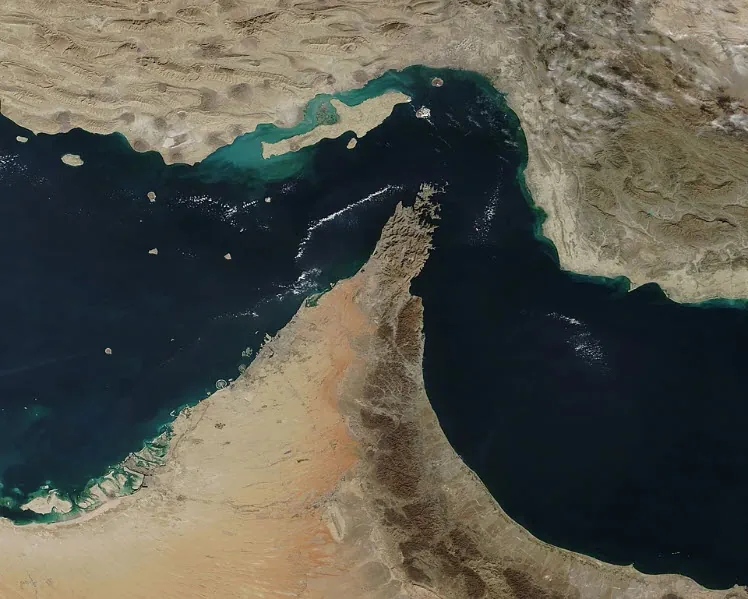
Oil, cargo and liquefied natural gas shipments through the Strait of Hormuz have reached their highest level in six months, according to U.S. Central Command, despite continued regional fighting and threats to one of the world's most important energy routes. CENTCOM commander Adm. Brad Cooper said U.S. forces have supported the movement of more than 1 billion barrels of crude oil out of the Persian Gulf through the strait over roughly the past two months.
Cooper said American forces have also assisted more than 2,000 commercial vessel transits by providing coordinated protection. He said the strait's primary transit lanes have been cleared of mines and that the volume of crude oil, cargo and liquefied natural gas moving through Hormuz during the past two weeks is higher than at any point in the previous six months. The figures and assessment were provided by the U.S. military.
The increase is significant because shipping through Hormuz has remained under pressure during the conflict with Iran. Before the war, roughly one-fifth of the world's traded oil and natural gas moved through the narrow waterway. Although recent traffic has increased, independent shipping monitors indicate activity remains below prewar levels, meaning the six-month high does not represent a full return to normal operations.
Cooper also said Iran has exported zero barrels of oil since the United States resumed what he described as an "ironclad blockade" of Iranian ports. Iran maintains that it has closed the strait, while negotiations over agreed shipping routes have failed to produce a broader settlement. U.S. forces are working with all six Gulf Cooperation Council countries, along with insurers and shipping companies, to increase commercial traffic further.
The improved flow comes as Saudi Arabia's alternative route around Hormuz faces its own problems after attacks disrupted the kingdom's East-West Pipeline, increasing the importance of keeping the strait open for Gulf energy exports.