U.S. and Iran trade new threats as Houthi attacks widen conflict
Diplomatic opening emerges ahead of UN meetings in New York
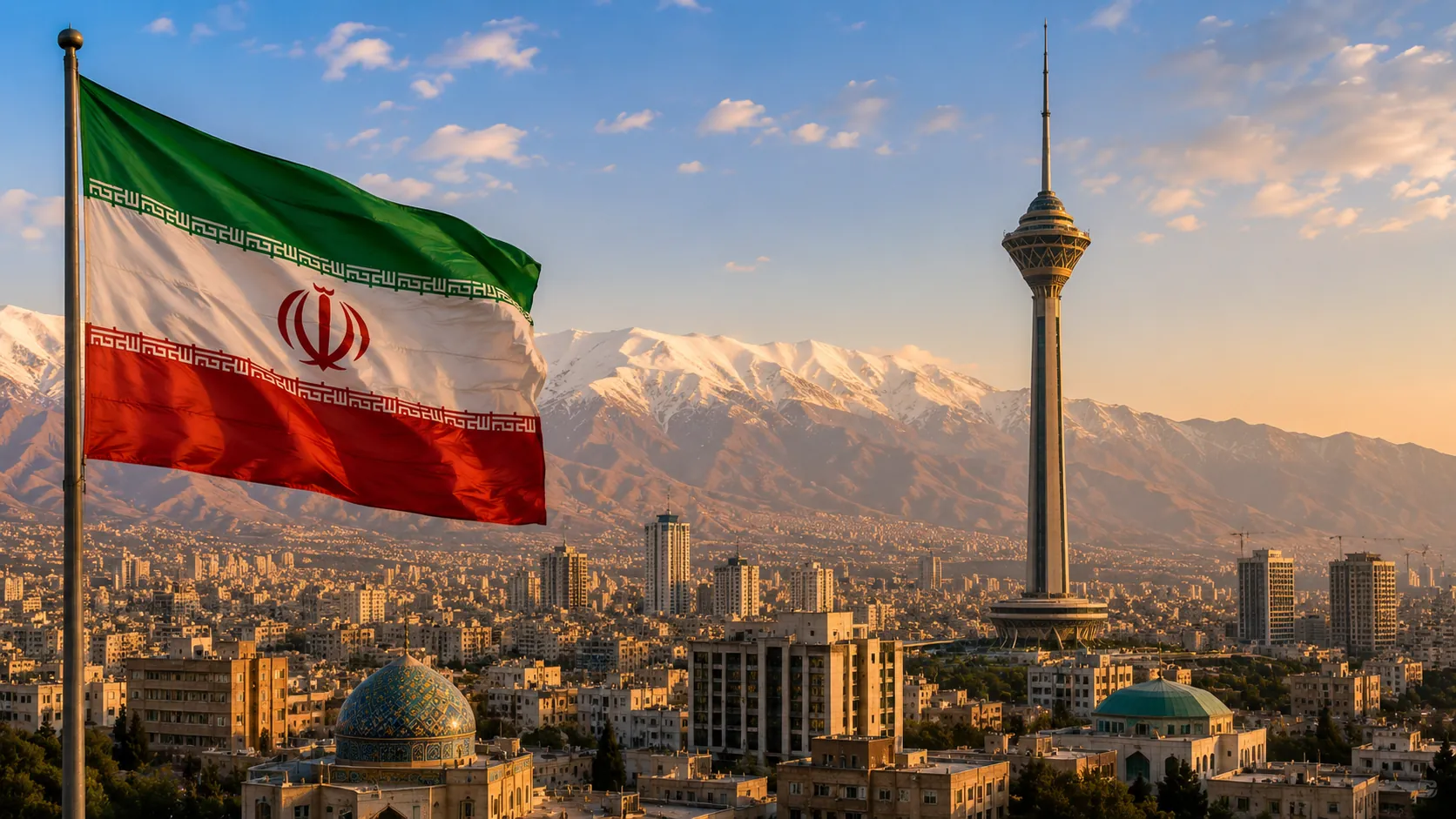
The United States and Iran exchanged new warnings as attacks by Iran-backed Houthi forces against Saudi Arabia added another front to the regional conflict, even as both Washington and Tehran signaled possible interest in renewed diplomacy during this week's United Nations General Assembly meetings in New York.
President Trump warned Iran of severe consequences if it does not reach an agreement with the United States, while also saying he would be willing to meet Iranian President Masoud Pezeshkian during the UN gathering. Iran's military, meanwhile, warned that any new attack by the United States or its allies would bring a broader response. The warnings come as the war that began with U.S. and Israeli strikes against Iran in February 2026 continues to disrupt regional security and energy transportation.
The latest escalation has centered on Yemen's Houthis, who have launched missiles and drones at Saudi targets, including sites in Riyadh and an Aramco facility in Yanbu. Saudi forces said they intercepted a missile aimed at Riyadh, while video showed smoke near the Saudi capital's main airport. The Houthis have also expanded their territorial control along Yemen's Red Sea coast, increasing concerns about the Bab el-Mandeb Strait, a major route for international shipping.
The widening conflict is putting pressure on two important maritime chokepoints. Shipping through the Strait of Hormuz has already been disrupted by the Iran war, while Houthi advances and attacks threaten traffic near Bab el-Mandeb. Oil producers have increasingly relied on alternative routes and ship-to-ship transfers to keep crude moving despite the security risks.
At the same time, signs of diplomacy remain. Trump has indicated he is open to talks with Iran, while Iranian officials have communicated conditions for negotiations through international mediators. Those diplomatic signals have helped ease oil prices even as military tensions remain high.