Republicans break with Trump on Iran war and fuel policy
Candidates and lawmakers push war limits as high diesel prices bite
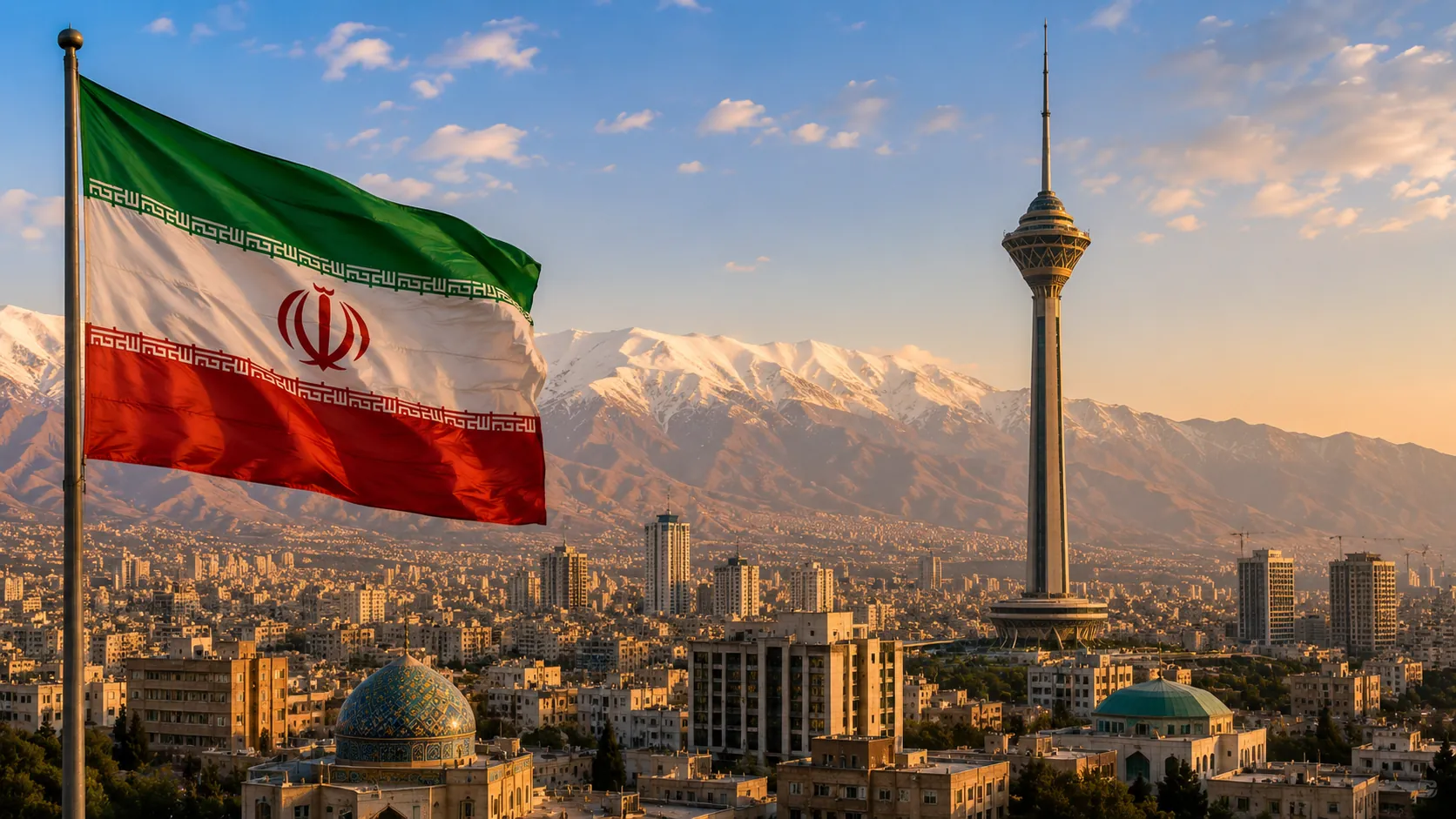
Several Republican candidates and members of Congress are publicly breaking with President Trump on the Iran war, presidential war powers and fuel policy as high energy prices put additional pressure on lawmakers ahead of the November 3 midterm elections. The disagreements do not amount to a party-wide revolt, but they mark increasingly visible divisions over policies that some Republicans previously supported or declined to challenge.
Republican Senate candidates Mike Rogers of Michigan and Ashley Hinson of Iowa have called for a swift end to the Iran war. Rogers, who previously backed Trump's military actions, said in a campaign advertisement that the conflict should end, while Hinson has criticized the war's economic consequences and called for restrictions on diesel exports. Republican Iowa Reps. Zach Nunn and Mariannette Miller-Meeks have also backed efforts to limit presidential war powers.
The disagreements come as fuel costs have become a significant economic issue. Farm-state Republicans have pressed the administration to restrict U.S. diesel exports in an effort to increase domestic supply and reduce prices. On Tuesday, Trump said he supports restricting diesel exports, marking a shift after his administration had resisted calls for export limits. Treasury Secretary Scott Bessent said officials are examining whether a full or partial restriction would be feasible given U.S. refining capacity.
Recent polling provides additional context for the Republican disagreements without establishing how voters will behave in November. A Reuters/Ipsos poll of 1,277 U.S. adults found Trump's overall approval at 32%, including 73% among Republicans, down from 82% the previous week. Only 17% of respondents approved of his handling of cost-of-living issues. Axios reported that Republicans are increasingly challenging Trump on foreign-policy and pocketbook issues while emphasizing that the movement is not a full-scale Republican revolt and that Trump continues to retain substantial support among Republican voters.