Iran's president rejects U.S. pressure in U.N. address
Pezeshkian responds after Trump threatens to annihilate regime
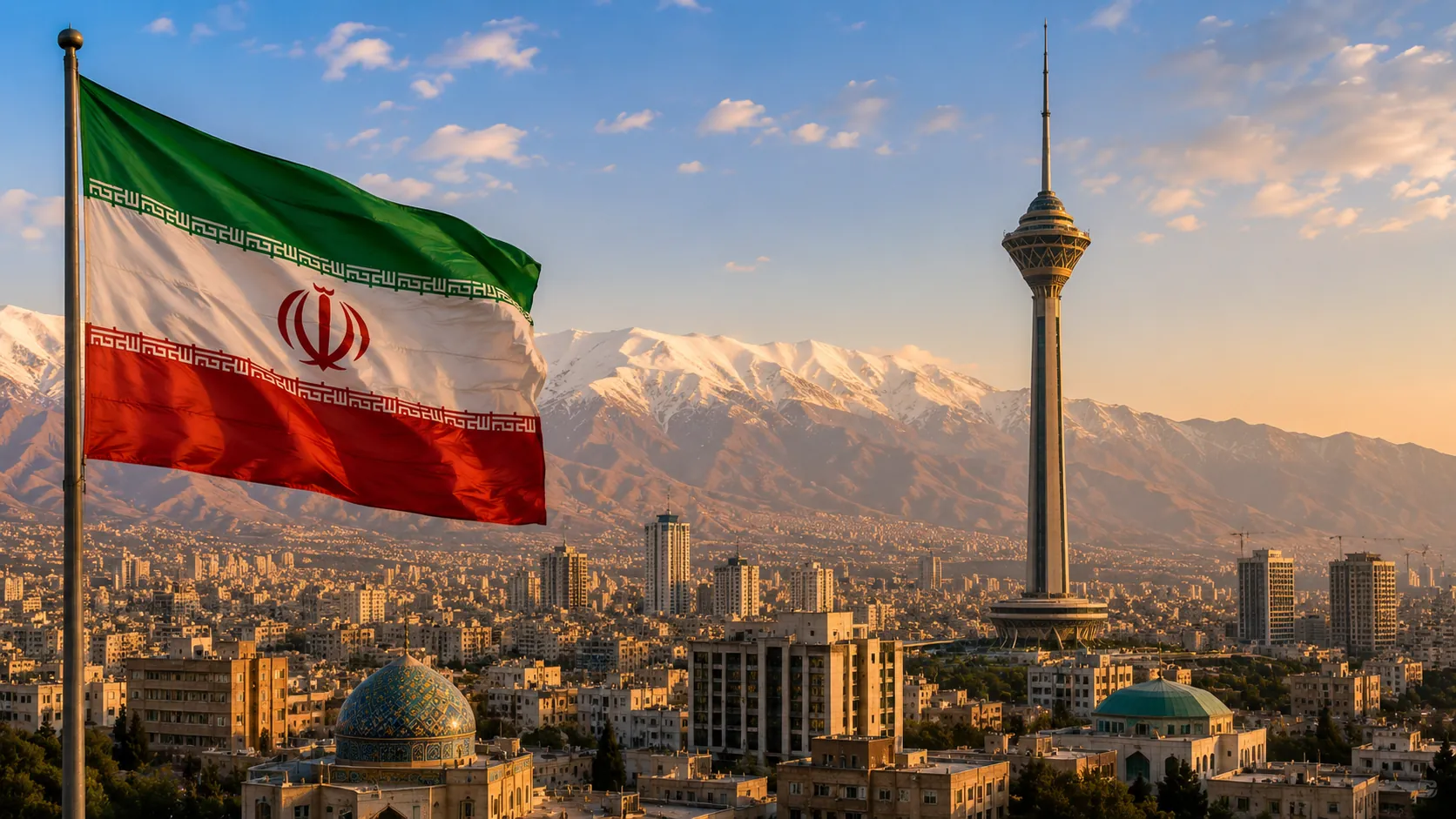
Iranian President Masoud Pezeshkian used an address to the United Nations General Assembly to reject U.S. pressure and accuse the United States and Israel of carrying out "cowardly attacks" against his country, one day after President Trump threatened to "annihilate" the Islamic Republic if efforts to end the nearly seven-month war fail.
Pezeshkian told world leaders in New York that Iran had been a victim of terrorism and said his country had not started the war. He pointed to wartime attacks inside Iran, including a strike on a school in the southern city of Minab that killed about 170 people, most of them schoolgirls. A preliminary U.S. assessment previously concluded American forces were likely responsible for that strike, while finding that the school was not deliberately targeted.
The Iranian president said Tehran would not submit to threats but remained open to diplomacy. "Iran will never bow our head or bend at the knee," Pezeshkian said through a translator, adding that Iran was prepared for dialogue and negotiations without accepting what he described as the language of force.
The remarks followed Trump's own U.N. address on September 22, in which he said he faced a choice between reaching an agreement that would allow Iran to rebuild or moving to "annihilate the Islamic Republic." Trump nevertheless said he believed an agreement would eventually be reached.
Diplomacy has continued despite the rhetoric. U.S. envoy Steve Witkoff and Jared Kushner held indirect talks with Iranian officials through mediators on Tuesday. Witkoff described the discussions as lengthy and said the two sides had completed a round of talks that the United States hoped would prove constructive. Iranian officials confirmed the mediated discussions but have continued to demand changes including an end to the U.S. blockade affecting Iranian ports and shipping through the Strait of Hormuz.
The competing speeches leave negotiations underway while both governments publicly maintain hard-line positions over the war and its terms for ending.