Trump and Xi wrap White House summit with few breakthroughs
Trade truce extended as AI and Taiwan tensions remain
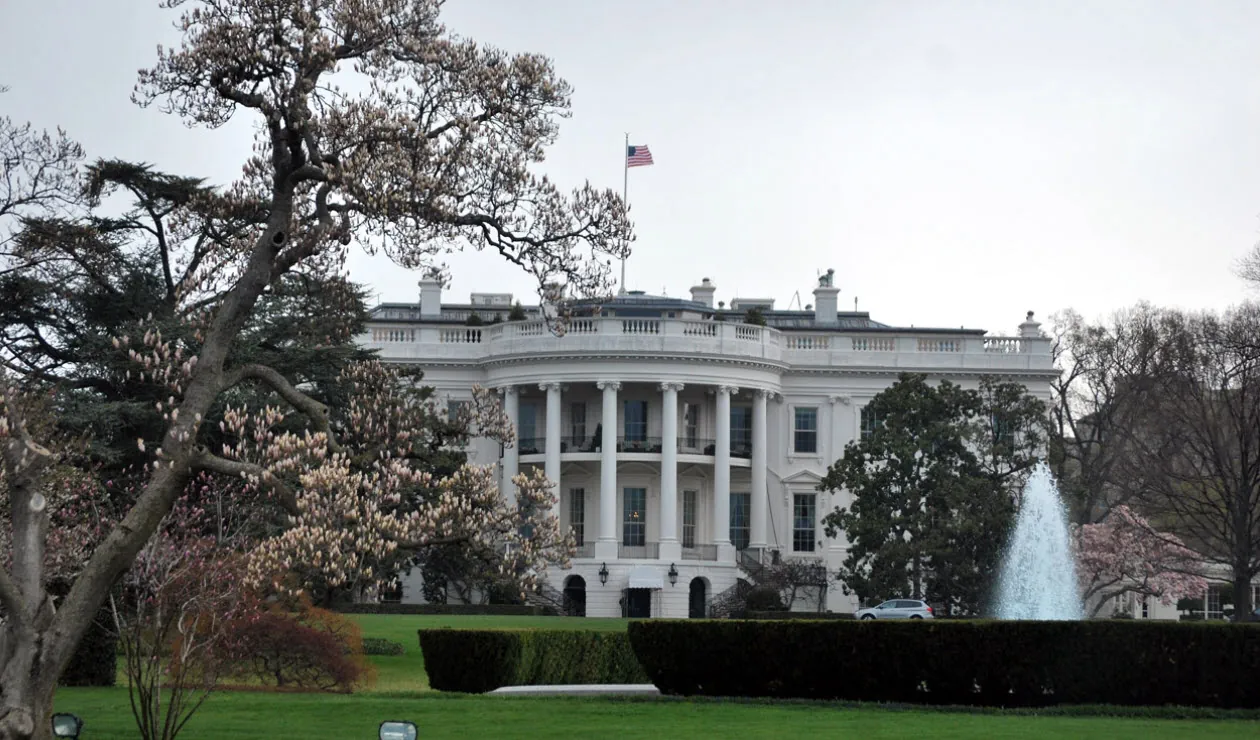
President Trump and Chinese President Xi Jinping completed a high-profile White House summit and state dinner Thursday, striking a cordial public tone while producing few signs of major breakthroughs on the disputes separating the world's two largest economies.
The visit was Xi's first to the White House in more than a decade. Trump and Xi held bilateral talks covering trade, artificial intelligence, Taiwan and security before attending a state dinner. Trump described the talks as a "great meeting" and emphasized his relationship with Xi, while the Chinese leader called for greater communication and cooperation between the countries.
One concrete economic development surrounding the summit was an extension of the existing U.S.-China trade truce through January 10, 2027. The temporary agreement pauses an escalation in the trade dispute, but the summit produced no announced comprehensive trade settlement. Treasury Secretary Scott Bessent said the extension provides time for additional bilateral meetings planned in China in November and Florida in December.
Artificial intelligence also featured prominently. Xi said the countries should ensure AI remains under human control, while competition over advanced chips and AI development remains a major source of tension. On security, Xi urged regular military dialogue and improved crisis-communication mechanisms as the countries continue to compete economically and strategically.
Taiwan remained another unresolved issue. China considers the self-governing island part of its territory and has pushed Washington to reduce military support for Taipei. No major agreement resolving that dispute or other longstanding strategic disagreements was announced during the visit.
The summit concluded with a formal White House state dinner attended by several of the most prominent figures in American technology, including Apple CEO Tim Cook, OpenAI CEO Sam Altman, Nvidia CEO Jensen Huang and Meta CEO Mark Zuckerberg, along with investor Jeff Yass. Their presence underscored the importance of technology, artificial intelligence and advanced semiconductors in the U.S.-China economic relationship. During the dinner, Trump also invited guests to view the construction site of the new White House ballroom.
Despite the ceremony and warm public statements, negotiations over larger economic, technological and security disputes are set to continue, with additional U.S.-China meetings planned before the trade truce expires.