Iran offers seven-day plan to reopen Strait of Hormuz
Trump reportedly rejects proposal as Tehran awaits U.S. move
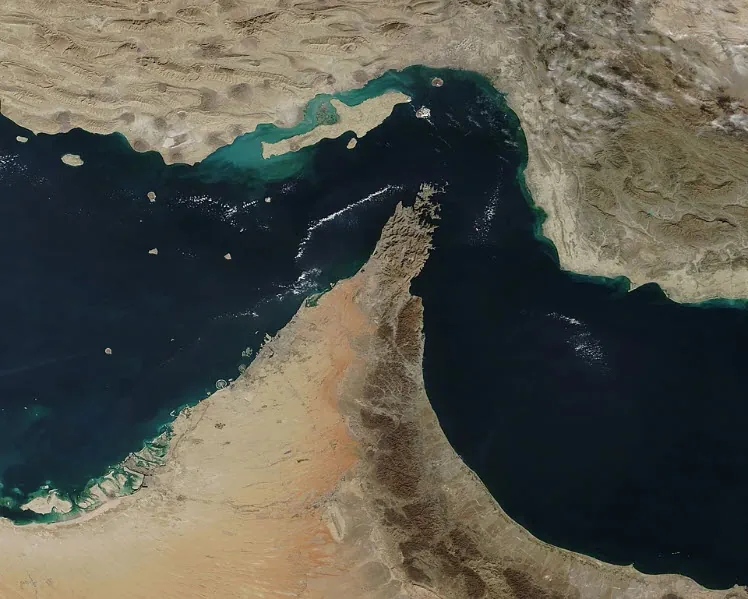
Iran has presented the United States with a seven-day proposal aimed at ending hostilities, reopening the Strait of Hormuz and restarting negotiations over Tehran's nuclear program, but a subsequent report says President Trump has rejected the proposal. Iranian Foreign Minister Abbas Araghchi said the plan had been conveyed to Washington through mediators and that Tehran was awaiting the U.S. response.
Under the proposal, Washington would lift its naval blockade of Iranian ports, waive sanctions restricting Iranian oil sales and observe a ceasefire that includes Lebanon. Reports on the proposal also say Iran is seeking the release of at least $12 billion in frozen assets. Araghchi said the conditions largely follow a memorandum of understanding reached between the two countries in June, which later collapsed.
If the conditions were accepted and implemented, Iran said normal maritime passage through the Strait of Hormuz could be restored within seven days and negotiations between Washington and Tehran could resume. The waterway is one of the world's most important energy shipping routes, with roughly one-fifth of globally traded oil and gas passing through it before the current conflict.
The Wall Street Journal, citing unnamed U.S. officials, subsequently reported that President Trump rejected Iran's proposal. Reuters said it could not independently confirm the reported rejection. A U.S. official separately characterized discussions conducted through mediators as positive and constructive, leaving some uncertainty about the status of the diplomatic effort.
The reported rejection represents a potentially significant setback for the proposal, but neither side has announced a final agreement and diplomatic contacts through intermediaries have continued. Iran maintains that the decision on its seven-day framework now rests with Washington.