Senate passes aviation mental health reforms
Bills aim to reduce barriers for pilots and air traffic controllers seeking care
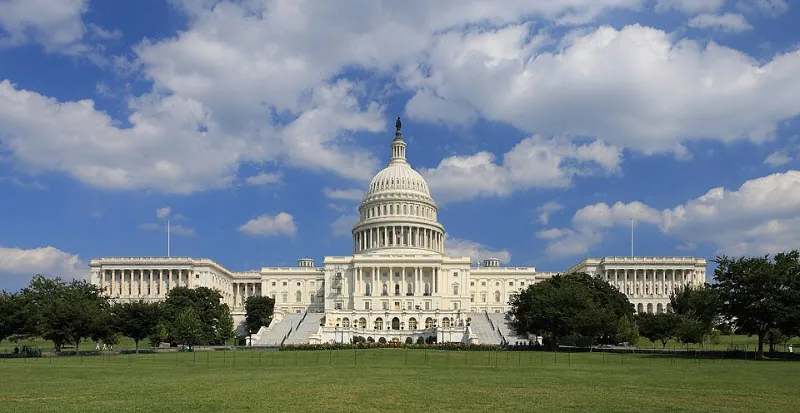
The U.S. Senate unanimously approved two bipartisan bills aimed at making it easier for pilots and air traffic controllers to seek mental health treatment without unnecessarily jeopardizing their medical certifications or careers. The legislation would require changes to Federal Aviation Administration policies that aviation groups and lawmakers say can discourage workers from seeking care.
One measure, the John A. Hauser Mental Health in Aviation Act, directs the FAA to implement recommendations developed by its Mental Health and Aviation Medical Clearances Aviation Rulemaking Committee. The legislation seeks to streamline the agency's medical certification process, improve mental health training and expand peer-support programs for aviation professionals. It also calls for additional resources to address lengthy reviews that can keep pilots and controllers from working while their medical cases are evaluated.
The second measure, the Aviation Medication Transparency Act, focuses on providing clearer information about medications and their effect on aviation medical certification. It would require the FAA to publish and regularly update guidance identifying medications that are acceptable, require additional review or prevent someone from performing safety-sensitive aviation duties. The goal is to give pilots, air traffic controllers and their healthcare providers clearer information before treatment decisions are made.
The legislation addresses a longstanding concern within aviation: workers may avoid reporting mental health conditions or seeking treatment because they fear being grounded for extended periods. The reforms are intended to distinguish conditions that present genuine aviation-safety concerns from cases where treatment can occur without automatically ending someone's ability to work.
The measures have received support from aviation organizations representing pilots and air traffic controllers. Senate passage does not by itself make the proposals law; the legislation must also clear the House of Representatives and be signed by President Trump before taking effect.