U.S. and China agree to tariff cuts and new AI incident channel
Deal covers $30 billion in non-sensitive goods in each direction
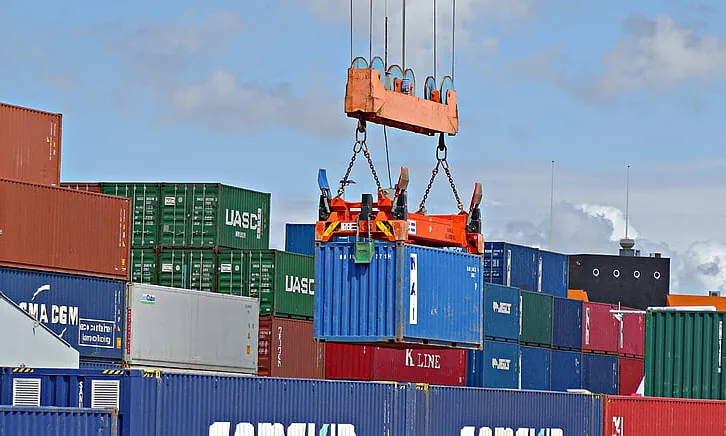
The United States and China have agreed to reduce tariffs on $30 billion worth of non-sensitive goods in each direction and establish a new communication channel for incidents involving artificial intelligence following Chinese President Xi Jinping's three-day visit to Washington.
The tariff reductions cover U.S. exports including agricultural products, wood and cosmetics, along with Chinese exports such as small appliances, toys and decorations. The agreement leaves broader restrictions involving sensitive and strategic technologies outside the new tariff arrangement.
The two governments also agreed to establish a communication mechanism for AI-related incidents and continue discussions about the risks and benefits of artificial intelligence. Another round of AI-focused talks is scheduled for November.
The agreements followed meetings between Xi and President Donald Trump during a summit that produced several incremental steps toward stabilizing relations but left many of the countries' larger economic and geopolitical disagreements unresolved.
The two sides also agreed to continue work on a Board of Trade dealing with selected bilateral trade issues and accelerate efforts to improve military crisis communications. The United States and China previously agreed to extend their existing trade truce by another two months, providing additional time to negotiate a broader economic agreement.
China also agreed to import at least 10 million metric tons of U.S. coal in both 2027 and 2028, while the two governments said discussions would continue over U.S. concerns about supplies of rare earth materials.
Trump and Xi are expected to meet again at the Asia-Pacific Economic Cooperation summit in Shenzhen in November, with another meeting planned around the G20 summit later in the year.