Trump expects new Iran talks after rejecting Hormuz proposal
Negotiations could resume as early as Monday as military option remains open
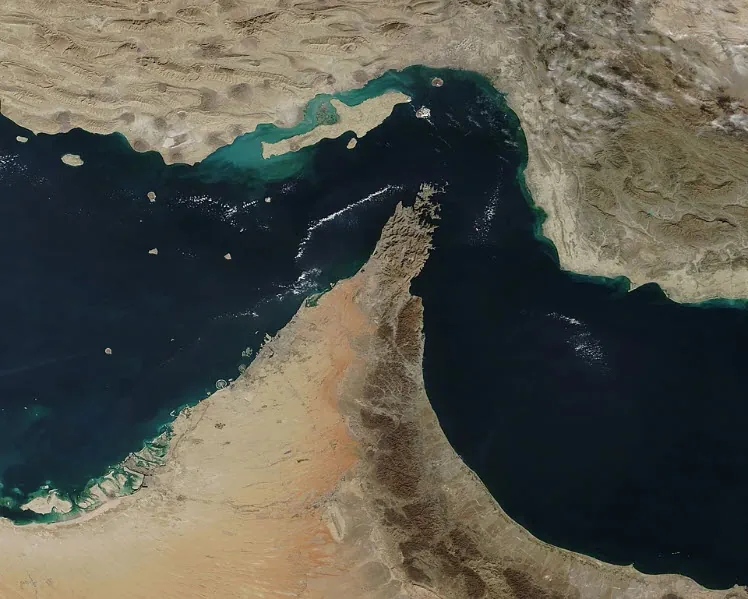
President Trump says he expects negotiations with Iran to resume this week despite rejecting Tehran's latest proposal for reopening the Strait of Hormuz, as both sides continue seeking a diplomatic path through the months-long conflict. Two regional sources told Axios another round of indirect talks could occur as early as Monday, September 28, although significant differences remain between Washington and Tehran.
Iran presented a seven-day proposal during diplomatic activity surrounding the United Nations General Assembly in New York. Iranian Foreign Minister Abbas Araghchi said the plan could reopen the Strait of Hormuz and restart negotiations over Iran's nuclear program. Reporting on the proposal said Tehran sought an end to the U.S. naval blockade, waivers from oil sanctions and a ceasefire that would include Lebanon. Trump rejected the terms, saying Iran wanted an agreement the United States might have accepted a year earlier but had since "overplayed their hand."
U.S. envoys Steve Witkoff and Jared Kushner held indirect negotiations with Araghchi during the UN gathering last week. Araghchi said Sunday that Iran was awaiting a U.S. response through mediators and would not retreat from its conditions for reopening the strait. He also said Tehran remained prepared for both renewed fighting and diplomacy.
Trump has not ruled out additional military action. Asked whether he was considering resuming U.S. strikes against Iran, he told Axios he was "always thinking about it." At the same time, the administration says oil shipments through Hormuz have increased despite the conflict. Trump said more than 20 million barrels passed through the waterway over the weekend, while a U.S. defense official told Axios that 22 million barrels were exported through the strait Friday night.
The Strait of Hormuz remains central to both the military confrontation and negotiations because disruption there affects a major route for global energy shipments.